4:05 pm, Thursday, 2 April 2026

China and Pakistan Submit Five-Point Peace Plan to End Iran War as Diplomatic Pressure Builds

Sarakhon Report

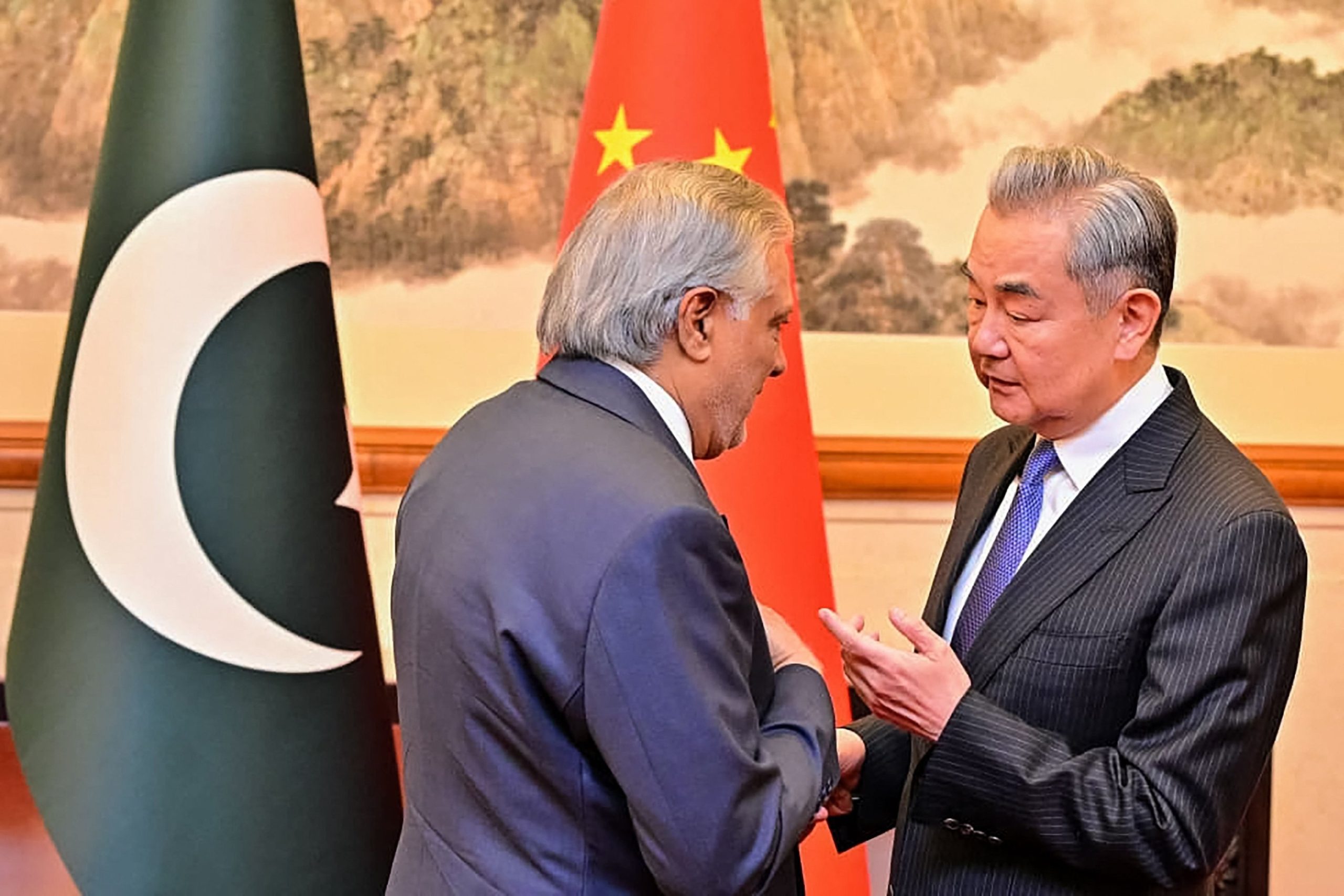
China and Pakistan have jointly put forward a five-point peace proposal aimed at ending the US-Israel war on Iran, calling for an immediate ceasefire and the reopening of the Strait of Hormuz as Beijing accelerates its diplomatic engagement with the month-long conflict. The proposal represents the most substantive non-Western peace initiative to emerge since fighting began on 28 February.

What the plan calls for
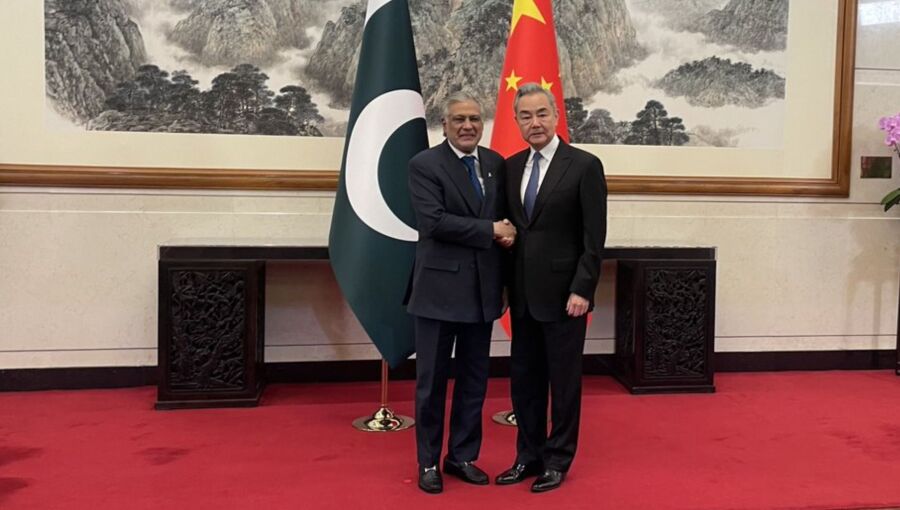
bne IntelliNews - China and Pakistan issue five-point peace plan for Gulf  and Middle East

According to Al Jazeera’s reporting, the China-Pakistan proposal centres on an immediate halt to hostilities, the reopening of the Strait of Hormuz to international shipping, urgent diplomatic dialogue between all parties, an end to strikes on civilian infrastructure, and the facilitation of humanitarian corridors. The plan arrives as other multilateral diplomatic efforts also gain momentum. Britain is set to convene a meeting of approximately 35 countries specifically to discuss how the Hormuz Strait can be reopened. Qatar’s Emir and the UAE President have separately held talks aimed at stabilising the region, and Pope Leo XIV has publicly called on Trump to end the war.

The economic case for urgency

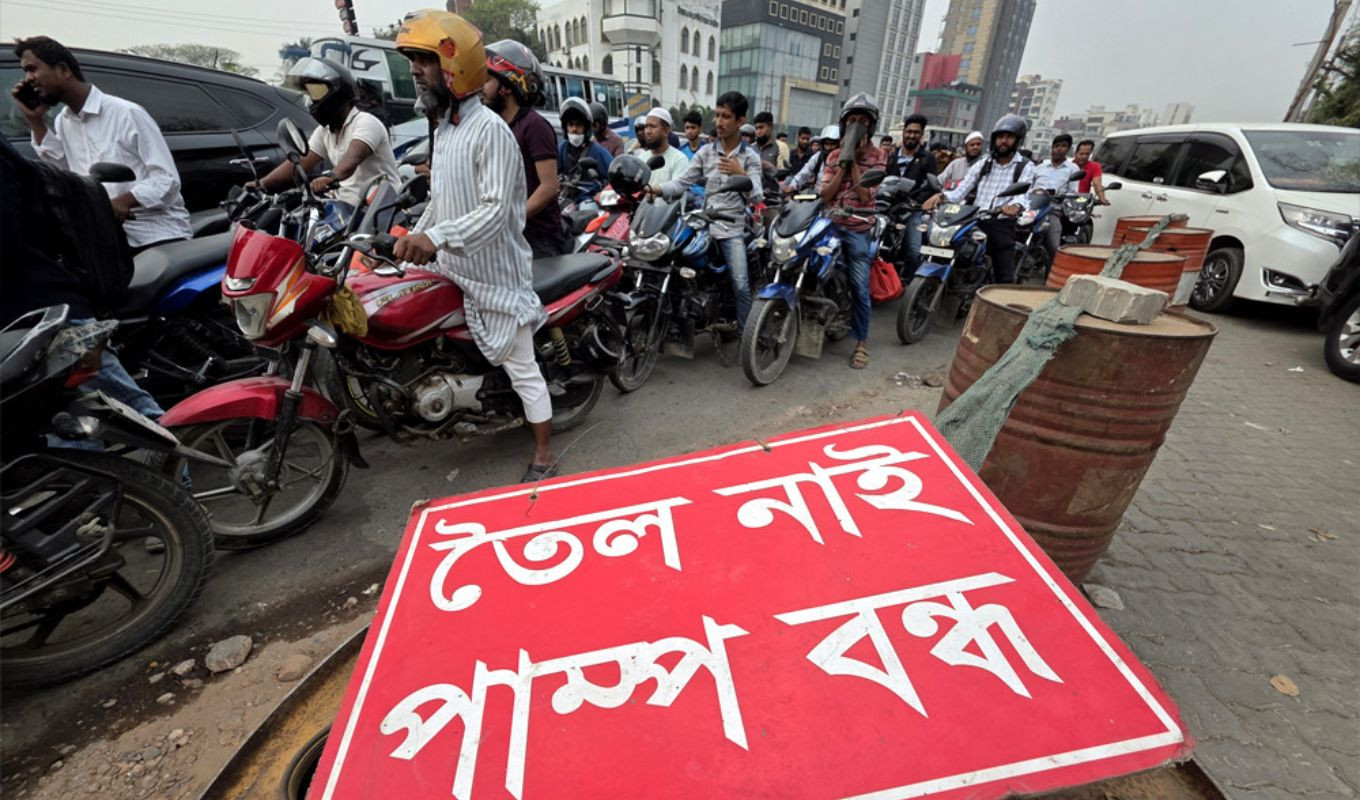
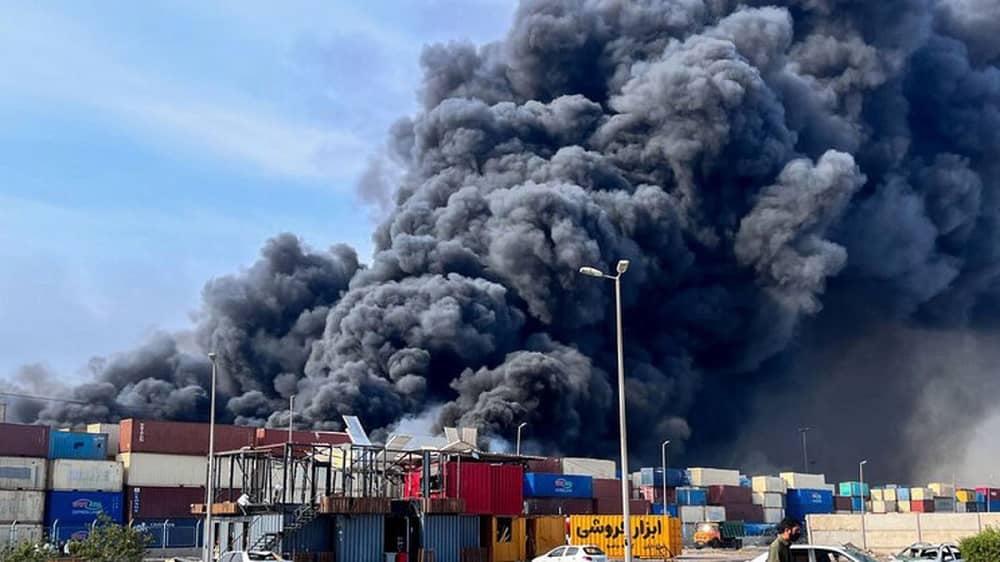
The Hormuz Strait closure has sent shockwaves through global energy markets. A United Nations Development Programme report published this week estimated that Arab world GDP has contracted by between 3.7 and 6 percent in just one month of conflict, a loss equivalent to $120 billion to $194 billion. For countries like Bangladesh that depend heavily on Gulf remittances and imported fuel, the indirect consequences are already visible in rising commodity prices and currency pressure.

China and Pakistan issue five-point plan for 'immediate ceasefire' in war  on Iran | Middle East Eye

Major NATO allies including Spain, France, and Italy have moved to restrict US military operations from their territory, signalling fractures in the Western coalition supporting the war. Argentina under President Milei has moved in the opposite direction, formally designating Iran’s Revolutionary Guard as a terrorist organisation. The diplomatic landscape is shifting rapidly, and the China-Pakistan proposal sits at the centre of a growing international push to find a way out.
 

02:02:52 pm, Thursday, 2 April 2026

China and Pakistan Submit Five-Point Peace Plan to End Iran War as Diplomatic Pressure Builds

02:02:52 pm, Thursday, 2 April 2026

China and Pakistan have jointly put forward a five-point peace proposal aimed at ending the US-Israel war on Iran, calling for an immediate ceasefire and the reopening of the Strait of Hormuz as Beijing accelerates its diplomatic engagement with the month-long conflict. The proposal represents the most substantive non-Western peace initiative to emerge since fighting began on 28 February.

What the plan calls for

bne IntelliNews - China and Pakistan issue five-point peace plan for Gulf  and Middle East

According to Al Jazeera’s reporting, the China-Pakistan proposal centres on an immediate halt to hostilities, the reopening of the Strait of Hormuz to international shipping, urgent diplomatic dialogue between all parties, an end to strikes on civilian infrastructure, and the facilitation of humanitarian corridors. The plan arrives as other multilateral diplomatic efforts also gain momentum. Britain is set to convene a meeting of approximately 35 countries specifically to discuss how the Hormuz Strait can be reopened. Qatar’s Emir and the UAE President have separately held talks aimed at stabilising the region, and Pope Leo XIV has publicly called on Trump to end the war.

The economic case for urgency

The Hormuz Strait closure has sent shockwaves through global energy markets. A United Nations Development Programme report published this week estimated that Arab world GDP has contracted by between 3.7 and 6 percent in just one month of conflict, a loss equivalent to $120 billion to $194 billion. For countries like Bangladesh that depend heavily on Gulf remittances and imported fuel, the indirect consequences are already visible in rising commodity prices and currency pressure.

China and Pakistan issue five-point plan for 'immediate ceasefire' in war  on Iran | Middle East Eye

Major NATO allies including Spain, France, and Italy have moved to restrict US military operations from their territory, signalling fractures in the Western coalition supporting the war. Argentina under President Milei has moved in the opposite direction, formally designating Iran’s Revolutionary Guard as a terrorist organisation. The diplomatic landscape is shifting rapidly, and the China-Pakistan proposal sits at the centre of a growing international push to find a way out.