Iran Signals Partial Compliance as Trump Eyes Kharg Island Seizure


Peace Talks Through Pakistan
After thirty days of relentless US-Israeli strikes, Iran has signalled partial acceptance of a fifteen-point American demand list conveyed through Pakistani intermediaries. President Donald Trump told reporters aboard Air Force One that Tehran had agreed to most of the conditions, adding that Iran had already shipped oil to Washington as a gesture of good faith. Pakistani Foreign Minister Ishaq Dar confirmed that Iran agreed to allow twenty ships under the Pakistani flag to cross the Strait of Hormuz — two vessels per day — calling the arrangement a constructive step toward regional stability.
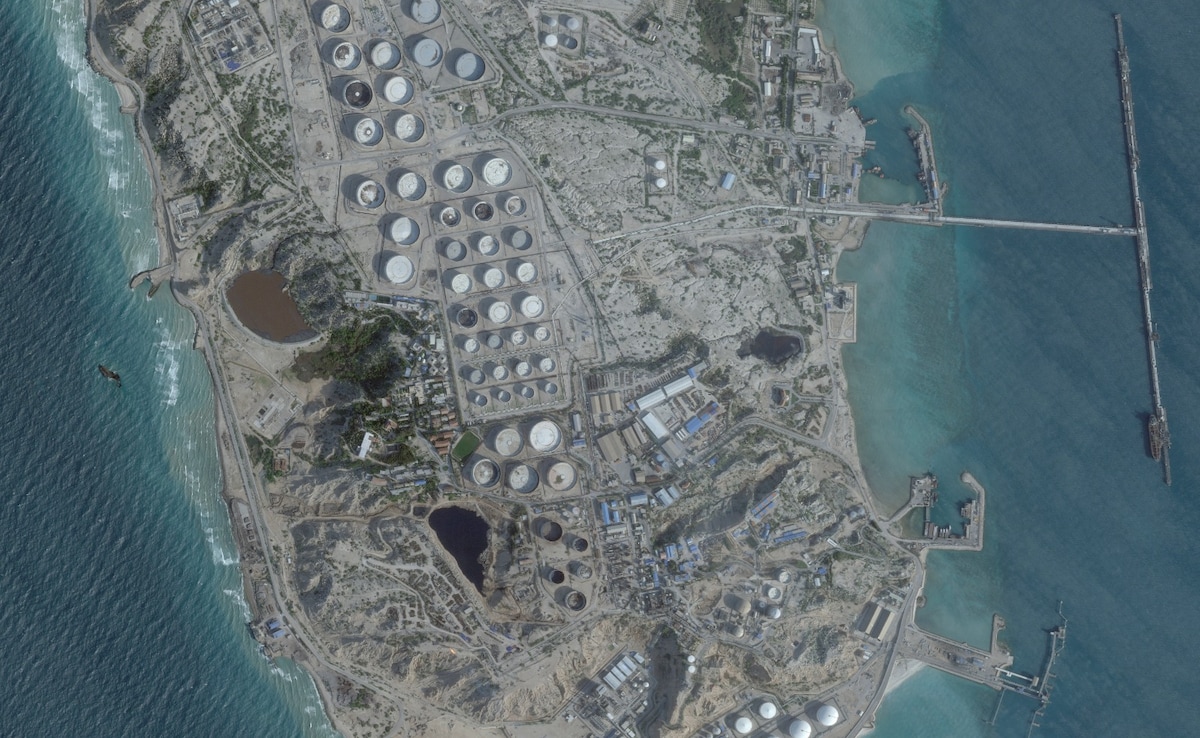
Despite the diplomatic opening, Trump floated the possibility of seizing Kharg Island, the hub handling roughly ninety percent of Iran’s crude exports. US forces struck the island earlier this month, targeting naval mine storage and missile bunkers, though the energy infrastructure itself was spared. Trump acknowledged that any such seizure would require a prolonged American military presence in the northern Persian Gulf.
Wider Regional Fallout
Houthi rebels entered the conflict directly over the weekend, firing fresh missiles toward Israel — their first attacks since the war began. Air raid sirens activated across Bahrain and Kuwait on Sunday morning. Aluminium Bahrain, one of the world’s largest aluminium smelters, reported two employees injured after its facility was struck in an Iranian attack. Meanwhile, the Islamic Revolutionary Guard Corps warned that unless the US condemned reported strikes on Iranian universities by March 30, it would expand retaliatory attacks to American campus facilities in the Gulf region, including campuses in Qatar and the UAE.
Foreign ministers from Pakistan, Turkey, Egypt and Saudi Arabia convened in Islamabad to push for a negotiated end to hostilities. Iran’s agreement to allow limited Pakistani-flagged shipping through Hormuz was seen as the most tangible sign yet that Tehran is feeling economic and diplomatic pressure. Analysts cautioned, however, that a handful of ships per day falls far short of the tens of millions of barrels once moving through the strait daily. The International Energy Agency has characterised this crisis as the largest oil supply disruption in the recorded history of global energy markets.