7:16 pm, Wednesday, 3 December 2025

Japan’s oyster shortage bites restaurants and winter food culture

Sarakhon Report

Heat, disease and demand squeeze a beloved staple

A growing shortage of oysters is forcing Japanese restaurants and retailers to scale back menus, raise prices and rethink how they serve one of the country’s signature winter delicacies. Poor harvests in several major farming regions have left wholesalers with fewer shellfish to sell just as demand peaks for hotpot, grilled oysters and year-end parties. Chefs say they are trimming portion sizes, substituting other seafood and warning customers that popular dishes may sell out early each day.

Producers blame a mix of warmer waters, changing ocean conditions and disease outbreaks in crowded farming areas. Elevated sea temperatures and unusual weather patterns have stressed oysters in key bays, making them more vulnerable to parasites and bacteria. In some regions, heavy rainfall has also washed more pollutants and freshwater into coastal zones, disrupting the balance of nutrients oysters need to grow. Local cooperatives report that young spat, or baby oysters, are dying off in greater numbers before reaching market size.

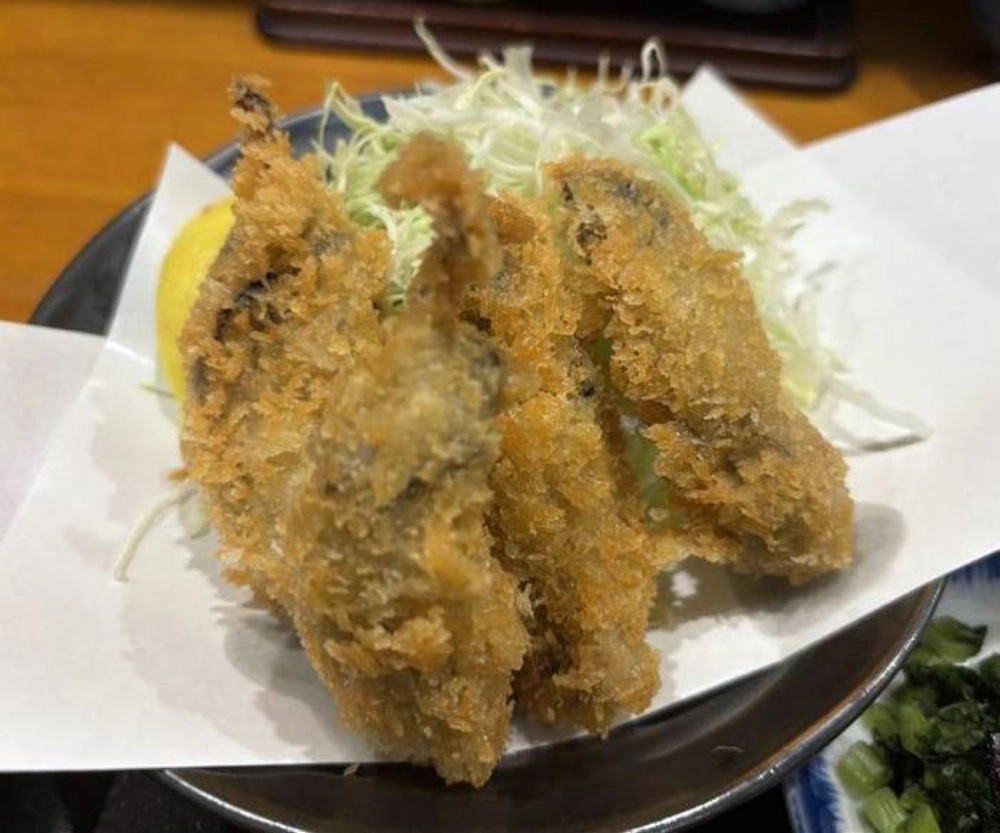
OYSTER BAR WHARF, Sendagaya - Shinjuku - Restaurant Reviews, Photos & Phone  Number - Tripadvisor

The strain is being felt most sharply in Hiroshima and Miyagi, long known for high-quality farmed oysters that supply restaurants across the country. Some farmers say this year’s yields are down by double-digit percentages compared with typical seasons. They face a difficult choice between harvesting early, which brings in smaller shellfish at lower prices, or holding out in the hope that surviving oysters will fatten up later. Either way, higher fuel, labour and feed costs mean many are struggling to break even.

Culture under pressure, adaptation under way

For diners, the shortage is about more than higher bills. Oyster hotpot and grilled platters are woven into winter food culture, from family gatherings to company parties. Food writers worry that if prices keep rising, younger consumers may choose cheaper alternatives and lose the habit of eating oysters altogether. Some restaurants are trying to preserve the experience by offering set menus with just a few premium oysters presented as seasonal treats, while filling the rest of the course with vegetables and other seafood.

Winter is the Season! Oysters in Japan

The squeeze is prompting innovation along the supply chain. Researchers and local governments are testing more resilient oyster strains and adjusting farming methods, such as moving rafts to deeper, cooler waters or staggering planting schedules. There is also renewed interest in improving water quality by tightening controls on coastal development and industrial runoff. Environmental groups argue that healthier coastal ecosystems would not only protect oysters but also strengthen natural defences against storm surges and erosion.

Retailers are meanwhile widening their sourcing, importing more oysters from abroad and highlighting provenance on packaging to justify higher prices. Some supermarket chains are promoting frozen or pre-shucked products that can be stocked longer and sold in smaller quantities. But industry figures caution that imports cannot fully replace the taste and cultural weight of domestic oysters grown in Japan’s bays. With climate pressures expected to intensify, many see this season’s shortage as a warning that traditional seafood habits may need to adapt—or risk fading from everyday life.
Oyster shortage strains restaurants and retailers in Japan - The Japan Times


06:01:00 pm, Wednesday, 3 December 2025

Japan’s oyster shortage bites restaurants and winter food culture

06:01:00 pm, Wednesday, 3 December 2025

Heat, disease and demand squeeze a beloved staple

A growing shortage of oysters is forcing Japanese restaurants and retailers to scale back menus, raise prices and rethink how they serve one of the country’s signature winter delicacies. Poor harvests in several major farming regions have left wholesalers with fewer shellfish to sell just as demand peaks for hotpot, grilled oysters and year-end parties. Chefs say they are trimming portion sizes, substituting other seafood and warning customers that popular dishes may sell out early each day.

Producers blame a mix of warmer waters, changing ocean conditions and disease outbreaks in crowded farming areas. Elevated sea temperatures and unusual weather patterns have stressed oysters in key bays, making them more vulnerable to parasites and bacteria. In some regions, heavy rainfall has also washed more pollutants and freshwater into coastal zones, disrupting the balance of nutrients oysters need to grow. Local cooperatives report that young spat, or baby oysters, are dying off in greater numbers before reaching market size.

OYSTER BAR WHARF, Sendagaya - Shinjuku - Restaurant Reviews, Photos & Phone  Number - Tripadvisor

The strain is being felt most sharply in Hiroshima and Miyagi, long known for high-quality farmed oysters that supply restaurants across the country. Some farmers say this year’s yields are down by double-digit percentages compared with typical seasons. They face a difficult choice between harvesting early, which brings in smaller shellfish at lower prices, or holding out in the hope that surviving oysters will fatten up later. Either way, higher fuel, labour and feed costs mean many are struggling to break even.

Culture under pressure, adaptation under way

For diners, the shortage is about more than higher bills. Oyster hotpot and grilled platters are woven into winter food culture, from family gatherings to company parties. Food writers worry that if prices keep rising, younger consumers may choose cheaper alternatives and lose the habit of eating oysters altogether. Some restaurants are trying to preserve the experience by offering set menus with just a few premium oysters presented as seasonal treats, while filling the rest of the course with vegetables and other seafood.

Winter is the Season! Oysters in Japan

The squeeze is prompting innovation along the supply chain. Researchers and local governments are testing more resilient oyster strains and adjusting farming methods, such as moving rafts to deeper, cooler waters or staggering planting schedules. There is also renewed interest in improving water quality by tightening controls on coastal development and industrial runoff. Environmental groups argue that healthier coastal ecosystems would not only protect oysters but also strengthen natural defences against storm surges and erosion.

Retailers are meanwhile widening their sourcing, importing more oysters from abroad and highlighting provenance on packaging to justify higher prices. Some supermarket chains are promoting frozen or pre-shucked products that can be stocked longer and sold in smaller quantities. But industry figures caution that imports cannot fully replace the taste and cultural weight of domestic oysters grown in Japan’s bays. With climate pressures expected to intensify, many see this season’s shortage as a warning that traditional seafood habits may need to adapt—or risk fading from everyday life.

Oyster shortage strains restaurants and retailers in Japan - The Japan Times