7:17 pm, Thursday, 25 December 2025

Ukraine Presses Winter Battlefield Gains as Moscow Signals Prolonged Conflict

Sarakhon Report

Frontline pressure and logistics strain
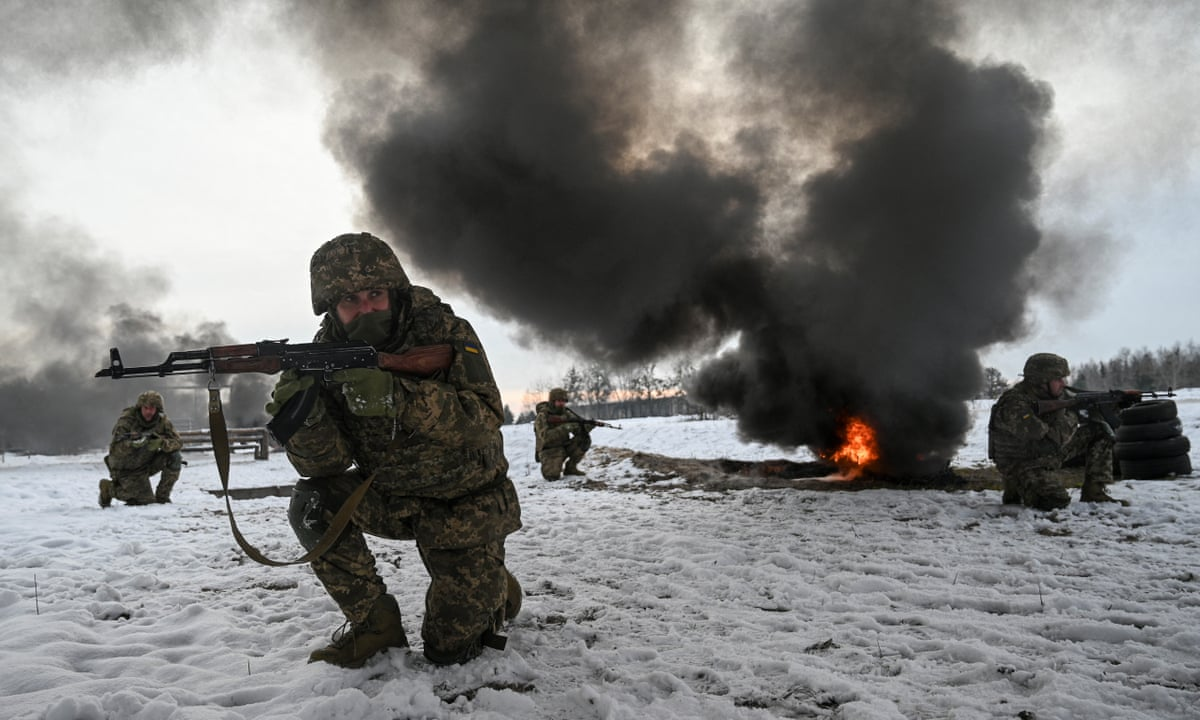
Ukraine intensified pressure along several eastern and southern axes as winter conditions set in, combining limited ground advances with sustained long-range strikes. Military officials framed the approach as cumulative rather than decisive, aimed at degrading Russian logistics, command nodes, and morale over time. The strategy reflects hard lessons from earlier phases of the war, when rapid assaults produced high costs without durable gains.

Russian forces responded by reinforcing layered defenses around occupied cities and transport hubs. Field reports suggest a shift toward conserving manpower while relying on artillery, drones, and electronic warfare to slow Ukrainian movement. The battlefield has settled into attrition shaped by weather, supply resilience, and unit rotation, with both sides attempting to manage fatigue and maintain pressure.

Energy infrastructure remains a critical vulnerability as temperatures fall. Ukrainian authorities warned of renewed risks to power grids and heating systems, prompting accelerated repairs and expanded air-defense coverage near key substations. Western partners increased deliveries of generators and spare components, framing energy resilience as a civilian protection issue rather than a purely military one. Local administrations also urged households to prepare for outages, underscoring the winter’s humanitarian dimension.
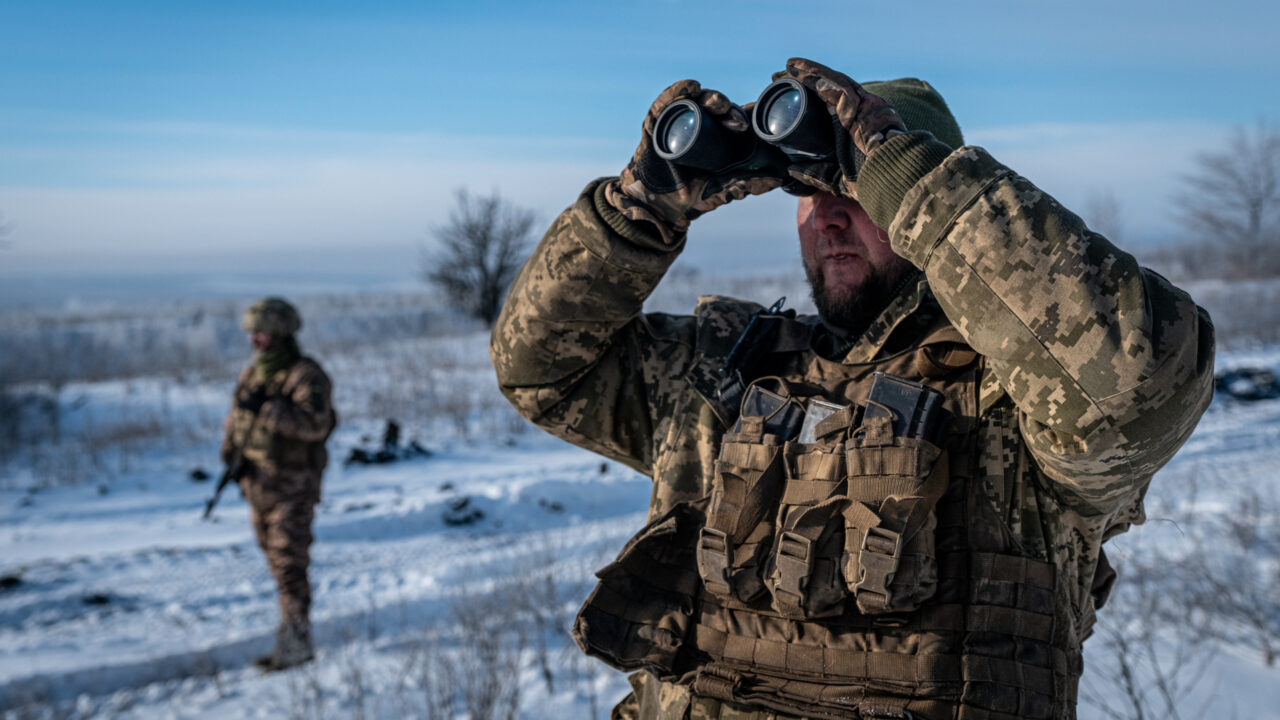
Beyond the counter-offensive: Attrition, stalemate, and the future of the  war in Ukraine – European Council on Foreign Relations

Strategic endurance and diplomatic signaling
Moscow’s messaging has hardened in parallel. Senior Russian officials suggested the conflict would extend well into next year, dismissing near-term ceasefire speculation. Analysts view the rhetoric as a signal of resolve to domestic audiences and a test of Western patience. Kyiv, by contrast, continues to emphasize time-bound objectives tied to international support cycles and battlefield momentum.

Western governments are weighing next-phase assistance with greater scrutiny. Aid packages increasingly prioritize ammunition stockpiles, air defense, and training over headline-grabbing platforms. Policy advisers say sustainability has overtaken speed as the guiding principle, reflecting the war’s grinding pace and the need to maintain steady flows rather than spikes.

For civilians, winter amplifies uncertainty. Displacement pressures persist near front lines, while humanitarian groups warn that intermittent power and heating could compound hardship. As the conflict enters another cold season, both sides appear locked into strategies of endurance, betting that resilience—military, economic, and social—will ultimately shape the outcome.

05:17:34 pm, Thursday, 25 December 2025

Ukraine Presses Winter Battlefield Gains as Moscow Signals Prolonged Conflict

05:17:34 pm, Thursday, 25 December 2025

Frontline pressure and logistics strain
Ukraine intensified pressure along several eastern and southern axes as winter conditions set in, combining limited ground advances with sustained long-range strikes. Military officials framed the approach as cumulative rather than decisive, aimed at degrading Russian logistics, command nodes, and morale over time. The strategy reflects hard lessons from earlier phases of the war, when rapid assaults produced high costs without durable gains.

Russian forces responded by reinforcing layered defenses around occupied cities and transport hubs. Field reports suggest a shift toward conserving manpower while relying on artillery, drones, and electronic warfare to slow Ukrainian movement. The battlefield has settled into attrition shaped by weather, supply resilience, and unit rotation, with both sides attempting to manage fatigue and maintain pressure.

Energy infrastructure remains a critical vulnerability as temperatures fall. Ukrainian authorities warned of renewed risks to power grids and heating systems, prompting accelerated repairs and expanded air-defense coverage near key substations. Western partners increased deliveries of generators and spare components, framing energy resilience as a civilian protection issue rather than a purely military one. Local administrations also urged households to prepare for outages, underscoring the winter’s humanitarian dimension.

Beyond the counter-offensive: Attrition, stalemate, and the future of the  war in Ukraine – European Council on Foreign Relations

Strategic endurance and diplomatic signaling
Moscow’s messaging has hardened in parallel. Senior Russian officials suggested the conflict would extend well into next year, dismissing near-term ceasefire speculation. Analysts view the rhetoric as a signal of resolve to domestic audiences and a test of Western patience. Kyiv, by contrast, continues to emphasize time-bound objectives tied to international support cycles and battlefield momentum.

Western governments are weighing next-phase assistance with greater scrutiny. Aid packages increasingly prioritize ammunition stockpiles, air defense, and training over headline-grabbing platforms. Policy advisers say sustainability has overtaken speed as the guiding principle, reflecting the war’s grinding pace and the need to maintain steady flows rather than spikes.

For civilians, winter amplifies uncertainty. Displacement pressures persist near front lines, while humanitarian groups warn that intermittent power and heating could compound hardship. As the conflict enters another cold season, both sides appear locked into strategies of endurance, betting that resilience—military, economic, and social—will ultimately shape the outcome.