

Rising Sea Levels Push Coastal Cities to Rethink Urban Planning

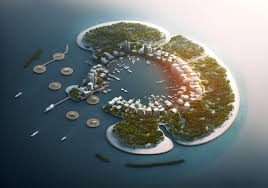
Climate pressure on shorelines
Coastal cities worldwide are accelerating plans to adapt to rising sea levels, as new data highlight increasing risks to infrastructure and housing. Urban planners warn that traditional defenses may no longer suffice, prompting a shift toward long-term resilience strategies.
Measures include redesigned drainage systems, elevated transport corridors, and restrictions on new development in high-risk zones. Some cities are also exploring managed retreat, relocating communities from the most vulnerable areas. Officials acknowledge that such decisions carry political and social costs.
Funding remains a challenge. Adaptation projects require significant investment, often competing with immediate social needs. International lenders and climate funds are stepping in, but access varies widely across regions.
Balancing growth and protection
Experts stress that adaptation must integrate with economic planning. Coastal cities are engines of growth, and retreating from shorelines can disrupt livelihoods. Innovative designs aim to protect assets while preserving access to ports and tourism.
Public engagement is increasingly central. Communities are being consulted on trade-offs, from higher taxes to altered neighborhoods. Transparency, planners say, is key to maintaining trust.
As seas continue to rise, inaction grows more costly. The choices cities make now will shape whether coastal hubs remain viable or face escalating losses in the decades ahead.