
Renewable Energy Milestones and Climate Gains in 2025

Global clean power leaps and ocean protection wins
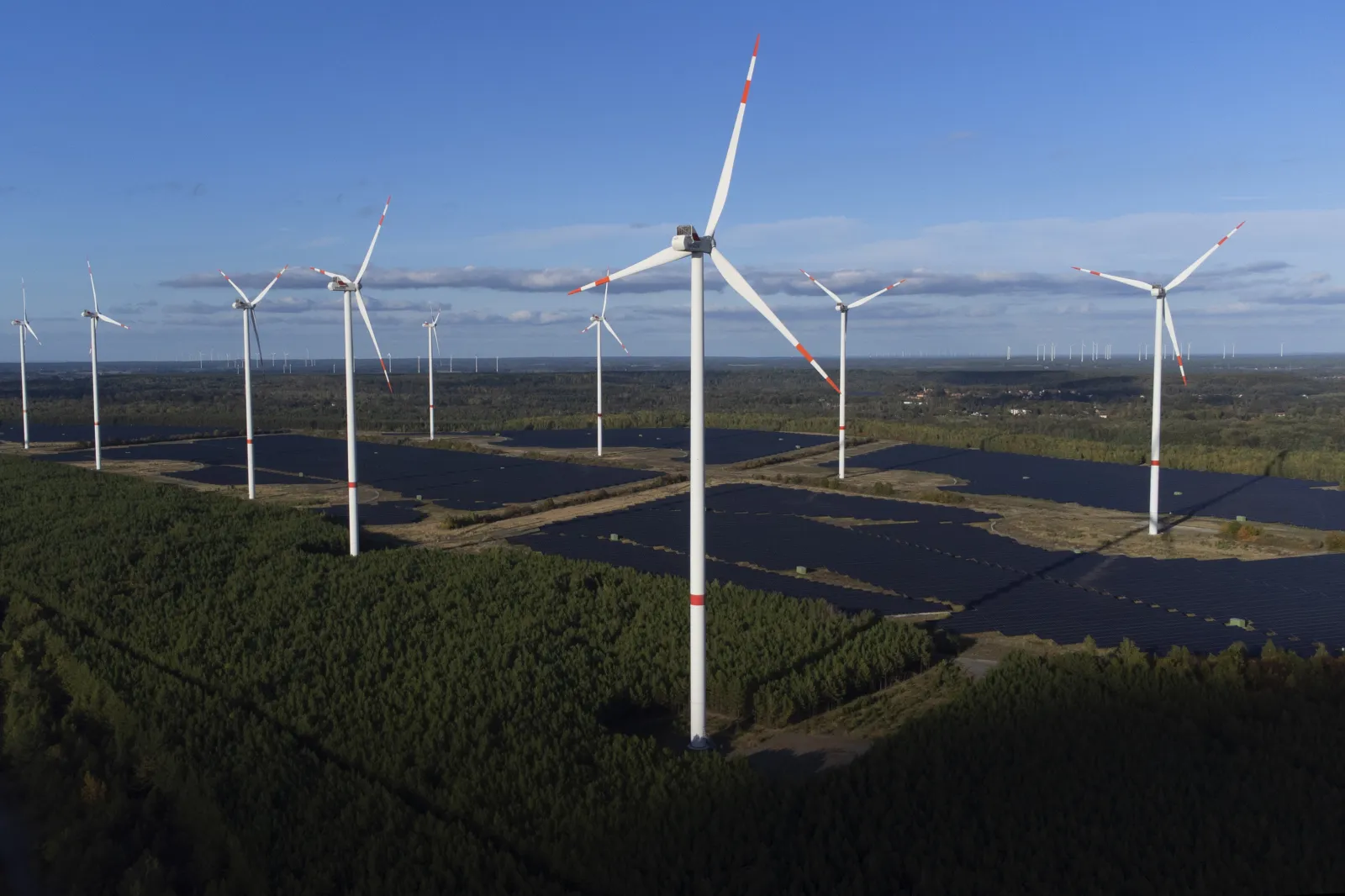
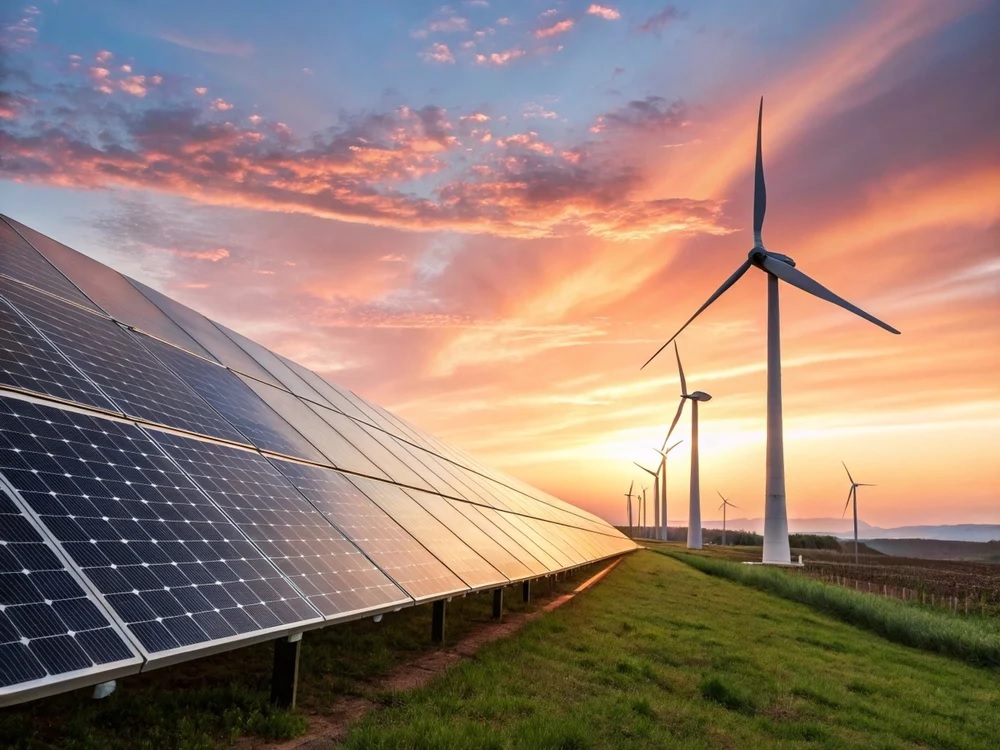
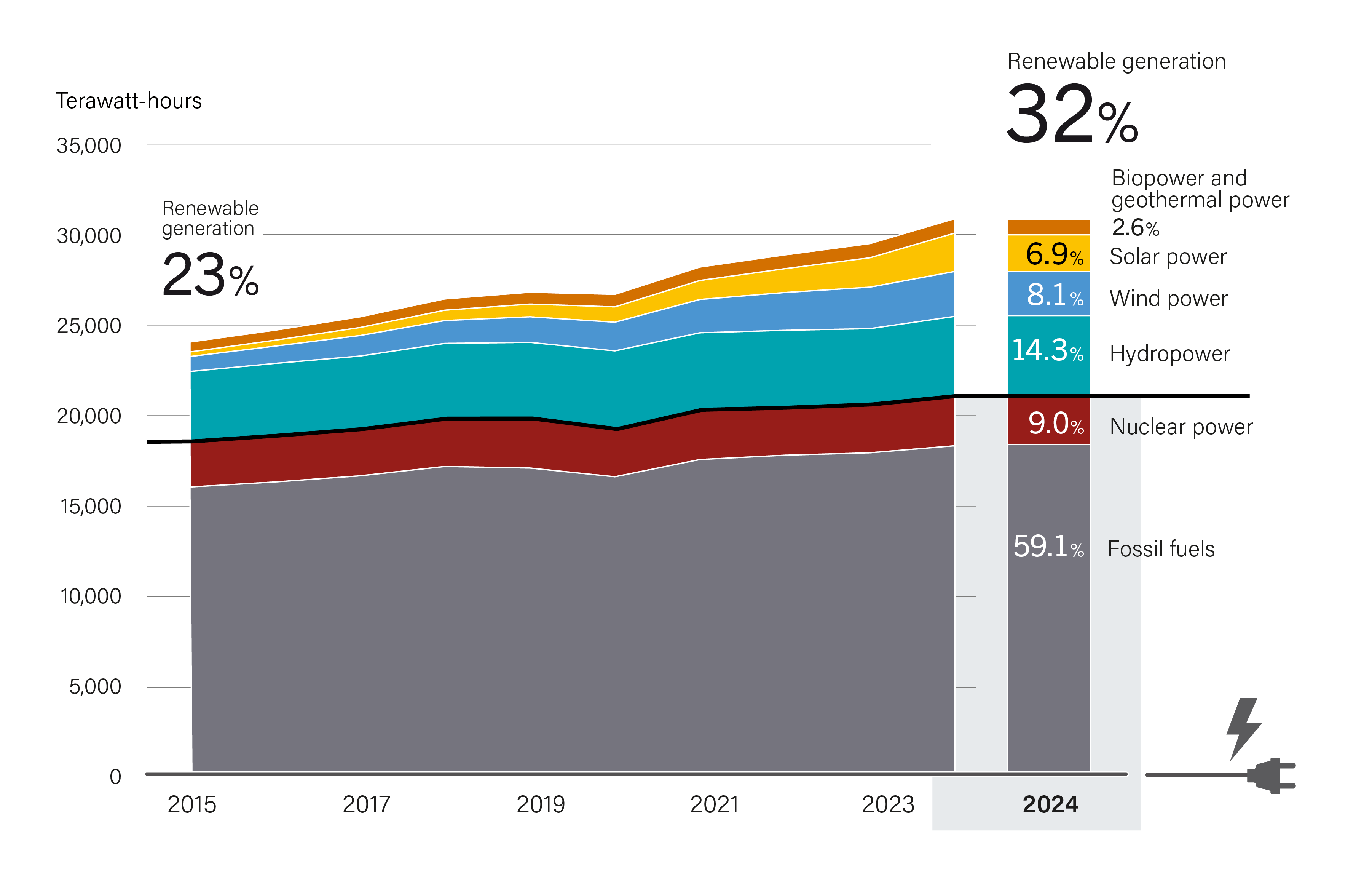
In 2025, key renewable energy milestones and environmental agreements delivered significant momentum for global climate efforts, even as challenges persist. Wind, solar, and other clean energy technologies collectively overtook coal to become the largest source of electricity worldwide, a historic first driven by rapid deployment across more than 80 percent of countries. China’s massive investments in solar and wind capacity played a central role, contributing heavily to global renewable growth. Storage technology, including advanced liquid-air systems, also began to address intermittency challenges that have long held back renewable penetration in some regions.
At the same time, the High Seas Treaty entered into force after reaching sufficient ratifications, setting a framework to protect 30 percent of international ocean waters through marine protected areas. This move extends conservation efforts beyond national jurisdictions and aims to safeguard vital ecosystems and biodiversity open to all nations.
Meanwhile, large marine reserves were also announced within national waters, including French Polynesia’s expansive protected area covering over 1.1 million square kilometres. These combined ocean efforts reflect a broader commitment to ecological resilience, supporting species habitats and reinforcing climate adaptation strategies.
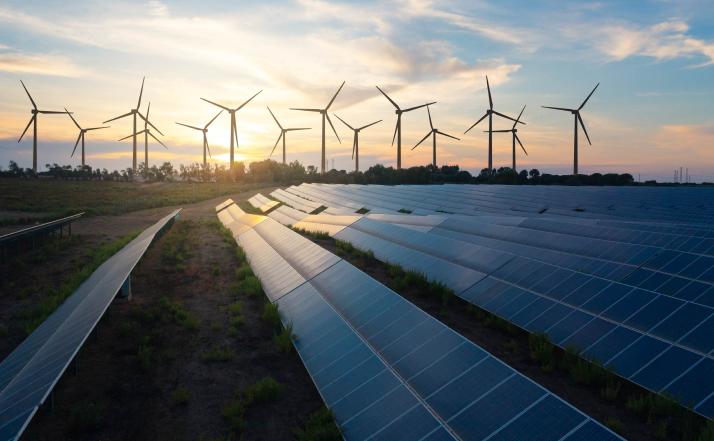
Despite these gains, scientists and policymakers stress that emissions reductions remain insufficient to curb dangerous warming levels. The renewable transition must accelerate further, complemented by strong policy frameworks and international cooperation ahead of 2026 climate dialogues.