8:38 pm, Tuesday, 10 March 2026

No Clear Endgame: What Does the US Actually Want from Its War on Iran?

Sarakhon Report

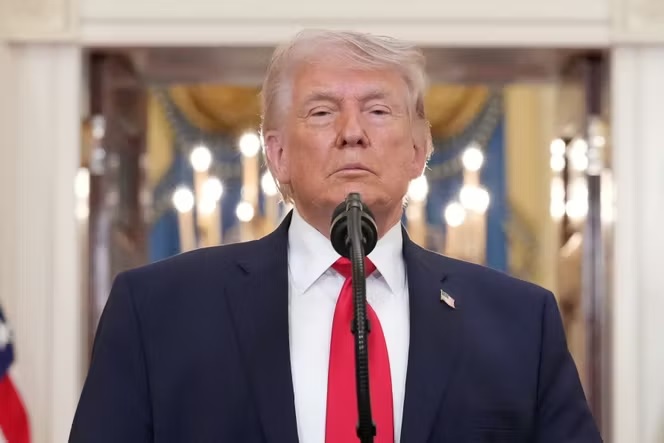
More than ten days into Operation Epic Fury, the US-Israeli military campaign against Iran, Washington has yet to articulate a coherent and consistent set of war aims. President Trump has swung between calling for the destruction of Iran’s ballistic missile programme, demanding
unconditional surrender of its regime, and hinting that peace may be close. The contradiction between the president’s messaging and that of
his own defence and foreign policy chiefs has left allied governments struggling to understand what a successful outcome would actually look
like.

নারীর ভোটাধিকার বিরোধে যাজক, সমর্থনে মার্কিন প্রতিরক্ষামন্ত্রী

A War of Shifting Objectives

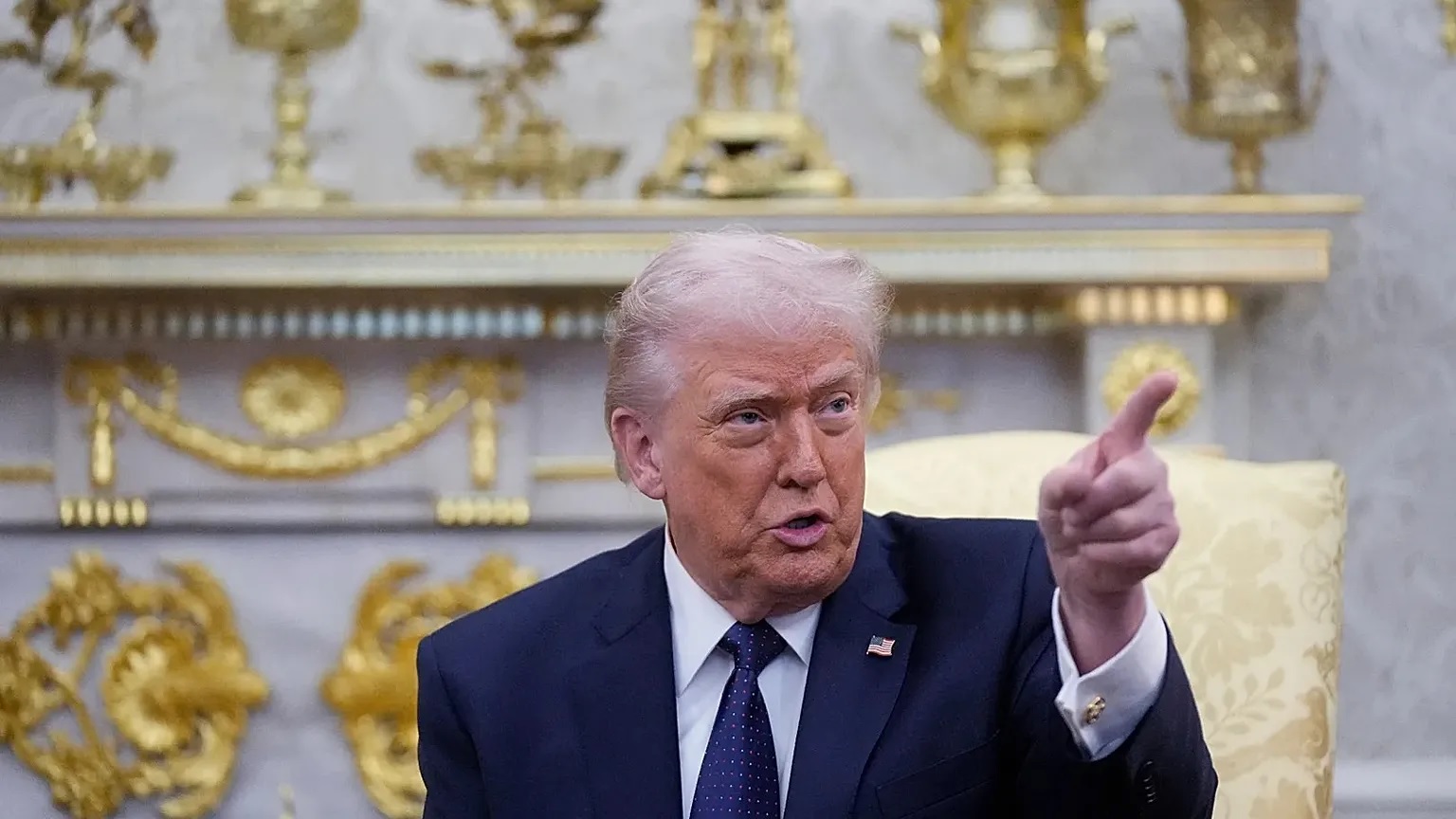
Defense Secretary Pete Hegseth has publicly insisted the operation is not a regime change war, while Trump has used language suggesting exactly that, urging the Iranian people to reclaim their country and warning that Iran’s new supreme leader would not last long without American approval. Secretary of State Marco Rubio offered yet another framing, describing the strikes as a preemptive move to protect US forces from an anticipated Iranian counterattack. US forces have struck nearly 2,000 targets in Iran since the war began, including naval assets, missile infrastructure and senior officials.

Experts Warn Against Overconfidence

Security analysts say the military instrument has been authorised well beyond what any stated strategic objective can realistically deliver. Destroying Iran’s hardware, analysts note, does not manufacture a viable political alternative. With Mojtaba Khamenei now entrenched as Iran’s new supreme leader and the IRGC pledging full loyalty to his command, the prospects of forcing a political settlement through air power alone remain deeply uncertain, even as oil prices soar and global pressure for a resolution mounts.
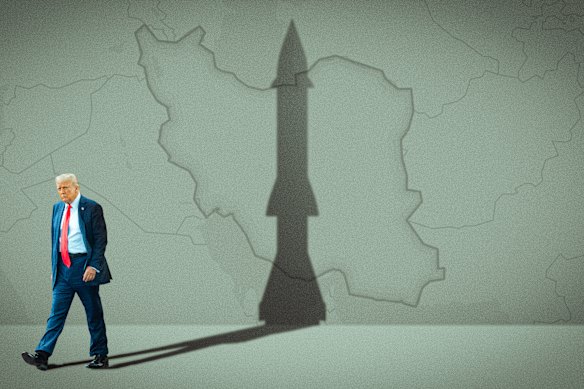

Iran war: Donald Trump has laid out a 'dim sum menu' of reasons for attacking. There's one key thing missing

06:03:44 pm, Tuesday, 10 March 2026

No Clear Endgame: What Does the US Actually Want from Its War on Iran?

06:03:44 pm, Tuesday, 10 March 2026

More than ten days into Operation Epic Fury, the US-Israeli military campaign against Iran, Washington has yet to articulate a coherent and consistent set of war aims. President Trump has swung between calling for the destruction of Iran’s ballistic missile programme, demanding
unconditional surrender of its regime, and hinting that peace may be close. The contradiction between the president’s messaging and that of
his own defence and foreign policy chiefs has left allied governments struggling to understand what a successful outcome would actually look
like.

নারীর ভোটাধিকার বিরোধে যাজক, সমর্থনে মার্কিন প্রতিরক্ষামন্ত্রী

A War of Shifting Objectives

Defense Secretary Pete Hegseth has publicly insisted the operation is not a regime change war, while Trump has used language suggesting exactly that, urging the Iranian people to reclaim their country and warning that Iran’s new supreme leader would not last long without American approval. Secretary of State Marco Rubio offered yet another framing, describing the strikes as a preemptive move to protect US forces from an anticipated Iranian counterattack. US forces have struck nearly 2,000 targets in Iran since the war began, including naval assets, missile infrastructure and senior officials.

Experts Warn Against Overconfidence

Security analysts say the military instrument has been authorised well beyond what any stated strategic objective can realistically deliver. Destroying Iran’s hardware, analysts note, does not manufacture a viable political alternative. With Mojtaba Khamenei now entrenched as Iran’s new supreme leader and the IRGC pledging full loyalty to his command, the prospects of forcing a political settlement through air power alone remain deeply uncertain, even as oil prices soar and global pressure for a resolution mounts.
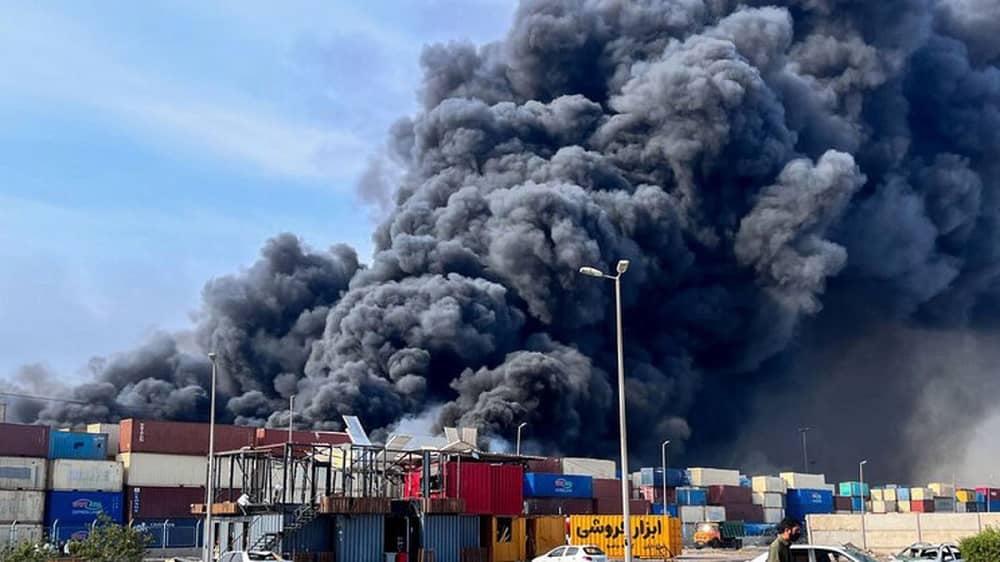
Iran war: Donald Trump has laid out a 'dim sum menu' of reasons for attacking. There's one key thing missing