
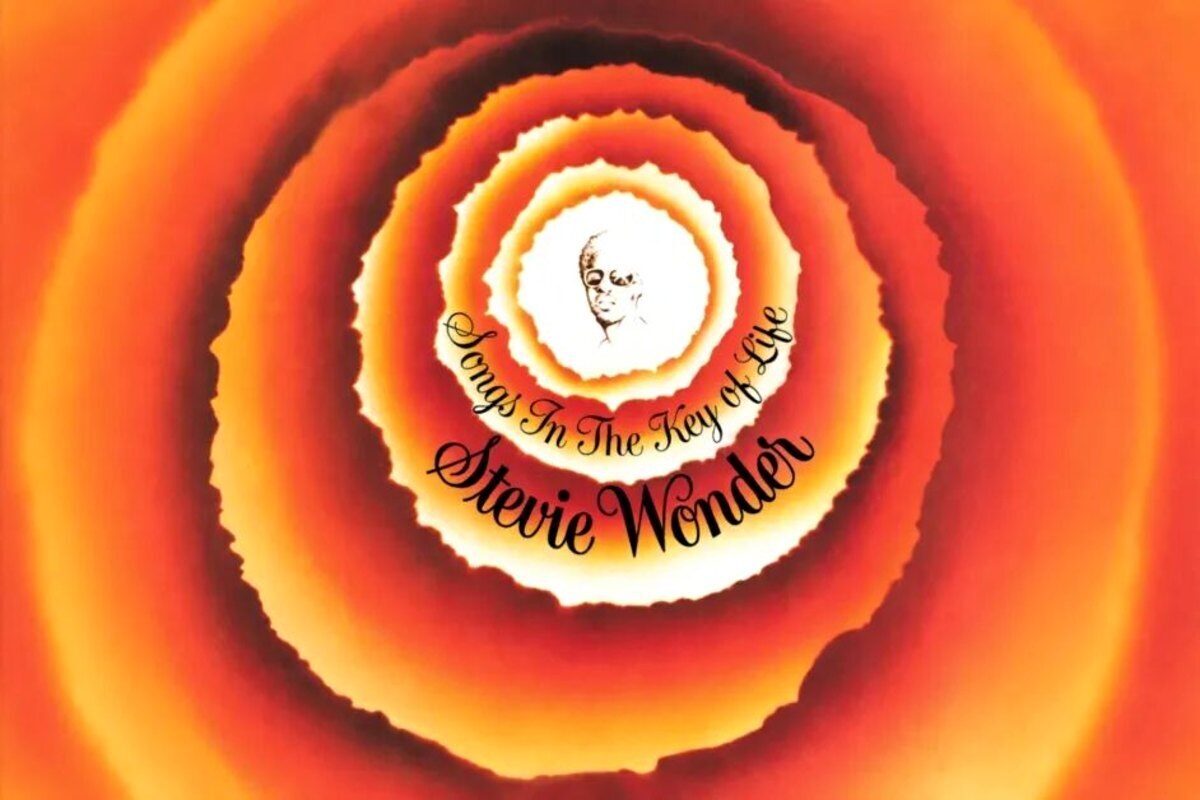
Legendary US musician Stevie Wonder has proven that the appeal of music can transcend time, even after fifty years. Performing at Madison Square Garden in New York to celebrate the 50th anniversary of his historic album “Songs in the Key of Life,” the 76-year-old artist captivated audiences with a nearly three-hour concert. His voice, instrumental skill, and vibrant stage presence recalled that the creative energy from five decades ago still flows through his music.
Music critic Wesley Morris noted in his review that Thursday’s performance was not merely an old album’s anniversary celebration, but rather a rare experience of collective joy shared by the musician, his band, and the audience.
A Performance Arranged in the Album’s Sequence
Released in 1976, “Songs in the Key of Life” is considered one of Stevie Wonder’s greatest creations. The concert’s setlist followed the exact order of the double album’s original 17 tracks. Four additional songs associated with the album at the time of its release were also suitably integrated outside the main sequence.
Performing “All Day Sucker” right after “Black Man” highlighted the musical differences between the two tracks. Alongside the original album songs, Wonder brought variety to the performance by blending snippets of various tunes, giving music from five decades ago a fresh lease of life on a grand stage.
During the concert, Wonder energized the crowd by playing the keyboard, piano, and harmonica at different times. He even turned a moment of forgetting lyrics into a joke. While singing “Have a Talk with God,” he playfully acknowledged getting his words tangled up right in the song’s verse. Conversations with the audience, displays of family photos, and praise for New York Mayor Mamdani were also part of the event.
The Collective Power of the Band
A major highlight of the concert was the performance by a large ensemble. The band featured three percussionists, six backing vocalists, five brass players, nine string players, three keyboardists, two harmonica players, and multiple guitarists. Longtime collaborator and bassist Nathan Watts was also a key member of the group, having worked with Wonder since the recording of “Songs in the Key of Life.”
Greg Phillinganes served as the musical director. When Wonder chose him to play on the “Key of Life” album, he was not even 20 years old. Five decades later, that same artist was directing the anniversary concert. Wearing a white tuxedo jacket, his enthusiasm and vibrant participation on stage caught the attention of both the audience and critics.
As the band transitioned from “Sir Duke” to “I Wish,” the excitement of the members was palpable. Performances of “Summer Soft” and “Ordinary Pains” also featured theatricality, powerful vocals, and extended instrumental arrangements, with the combined piano and organ performance adding a distinct dimension to the concert.
A Message of Peace and Humanity Behind the Joy
Stevie Wonder’s performance was not limited to showcasing musical mastery. Just as his lyrics contain anger, protest, and social questions, they also carry calls for peace, love, and human responsibility.
According to Wesley Morris’s evaluation, this concert served as a reassurance for audiences in today’s confused and crisis-ridden times. “Songs in the Key of Life” presents a clear realization of emotion and morality before people, reminding listeners that reasons to love the earth and be kind to one another are not yet exhausted.
Even after fifty years, the album’s musical power remains intact. Stevie Wonder and his longtime collaborators’ rebirth of that music on stage demonstrated that a great album is not merely a matter of memory, but can deliver joy, inspiration, and messages of humanity from generation to generation.
More by Sarakhon Report
 Development Funding Is Running Out, and the Window of Opportunity Is Closing: Bangladesh Faces Growing Risks
 Bodies of Two Young Women Recovered in Habiganj
 BGB Seizes Tk 64 Lakh Smuggled Goods Along Borders
 Pakistan Win Blind Cricket Asia Cup After Washout