IED Scare in Motijheel: Attempted Sabotage Targeting Rath Yatra Raises Questions Over Renewed Militant Threat in Bangladesh

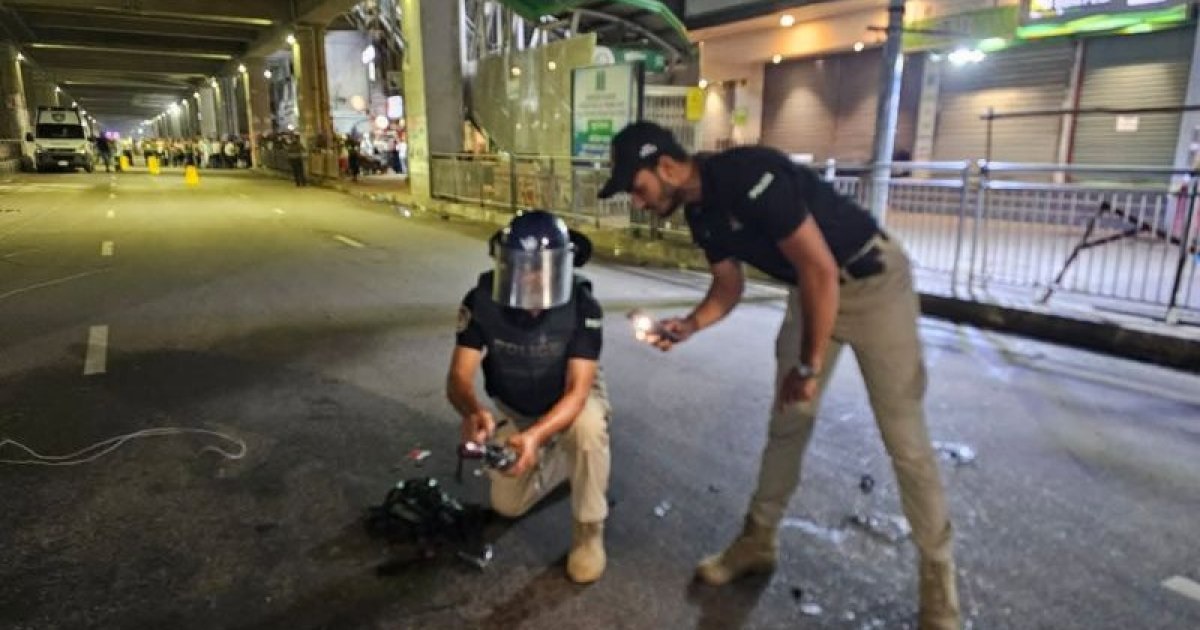
The recovery of two improvised explosive devices (IEDs) in Motijheel is not merely an isolated criminal incident but a serious warning for Bangladesh’s security apparatus. Had law enforcement agencies failed to act swiftly, the devices could have caused significant casualties and triggered communal violence by targeting a religious procession in one of the capital’s busiest areas.
The Dhaka Metropolitan Police’s (DMP) specialised Bomb Disposal Unit recovered two improvised explosive devices beneath the Motijheel Metro Rail Station and on a road near the Dhaka Chamber of Commerce and Industry (DCCI). During a controlled operation on Friday night to neutralise the devices, one of them exploded, seriously injuring 23-year-old pedestrian Miraj Ahmed. He was admitted to Dhaka Medical College Hospital for treatment.
According to intelligence sources, heightened security had been put in place around Motijheel from Friday afternoon in connection with the Hindu community’s Ulto Rath Yatra (Return Chariot Festival). Investigators believe the two devices had been placed to target the procession. Since they failed to detonate during the event, they were spotted by pedestrians after the procession had ended, and the police were subsequently alerted.
What Was Found in the IEDs?
Officials said the recovered devices contained detonators. Preliminary assessments suggest they may have been time-triggered devices. One of the IEDs had been attached to an umbrella in such a way that opening it could have triggered an explosion. At around 8:00 p.m., the Bomb Disposal Unit destroyed both devices through controlled explosions.
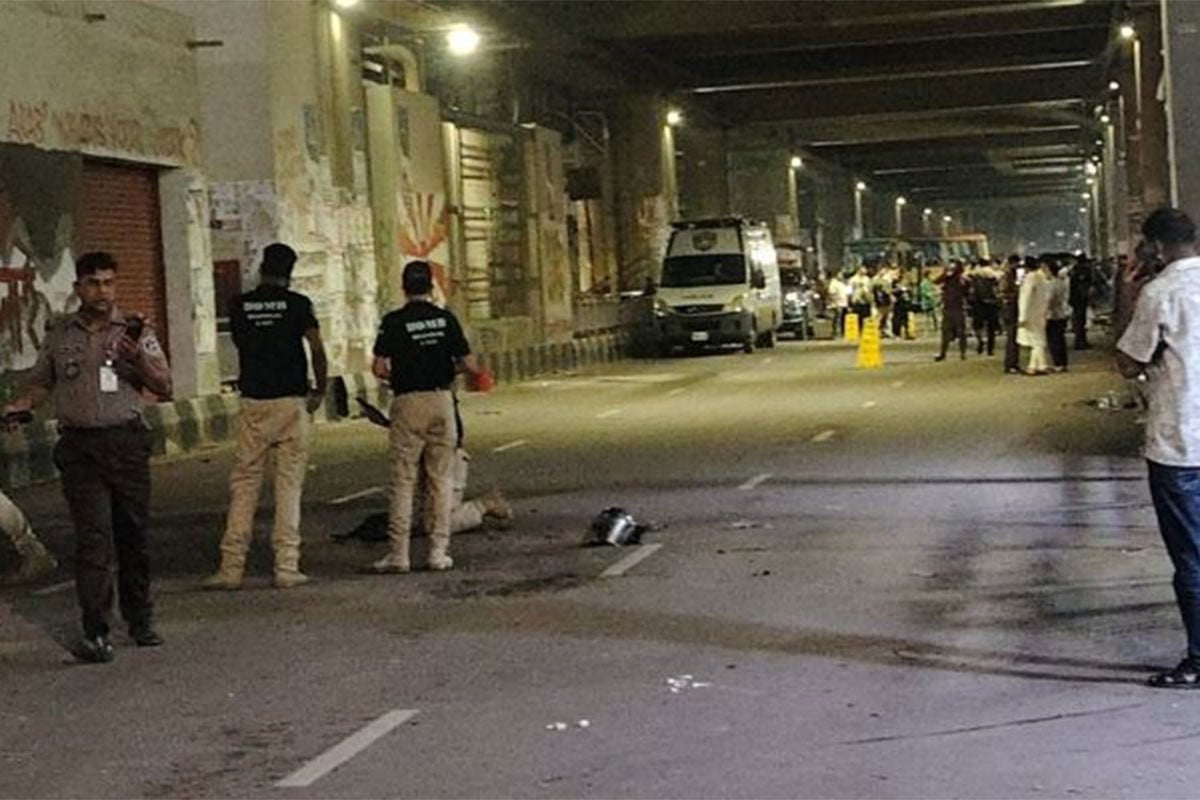
Following the incident, the entire Motijheel Metro Rail Station and the surrounding area were searched with a police dog squad. DMP Additional Commissioner (Detective Branch) Shafiqul Islam confirmed that two handmade explosive devices had been recovered.
What Is an IED and Why Is It So Dangerous?
An improvised explosive device, or IED, is a locally manufactured explosive constructed using readily available materials. Such devices can be activated through various triggering mechanisms, including timers, pressure switches, manual switches, or other forms of activation.
According to security experts, the greatest danger posed by IEDs lies in their unpredictability. Unlike standard military explosives, they are not built to a uniform design, making it difficult to accurately determine when, how, or with what force they might explode. Around the world, IEDs have frequently been used to target crowded public spaces, religious gatherings, public transport systems, marketplaces, and critical infrastructure.
Why Might the Rath Yatra Have Been Targeted?
Preliminary intelligence assessments suggest that the objective may not have been limited to causing casualties. Investigators believe the attackers may also have intended to provoke communal tensions by targeting a religious event.
Past incidents in several countries have shown that extremist groups have deliberately attacked religious festivals or events involving minority communities in an effort to create social unrest and deepen divisions. Investigators are treating that possibility seriously in this case as well.
However, authorities have not officially identified any individual or organisation as being responsible. No firm conclusions can be drawn until the investigation is complete.
Is Bangladesh Facing a Renewed Militant Threat?
Security analysts note that Bangladesh has achieved significant success in combating militancy over the past decade. Sustained law enforcement operations, enhanced intelligence surveillance, and the dismantling of extremist networks have substantially reduced the capacity of militant groups to carry out large-scale terrorist attacks.
That, however, does not mean the threat has disappeared entirely. International experience shows that extremist ideologies, small isolated cells, and lone actors can continue to pose security risks for many years. Religious events, diplomatic zones, critical infrastructure, and crowded public places therefore require consistently high levels of security.
The Motijheel incident demonstrates that even a single IED exploding in a densely populated area could have resulted in far greater casualties, with potentially significant social and political consequences.
A Fresh Warning for National Security

Experts say the incident highlights several priorities for Bangladesh’s security agencies. First, intelligence surveillance surrounding major public gatherings should be strengthened. Second, security measures at metro stations, railway stations, bus terminals, and other critical infrastructure should be enhanced. Third, public awareness campaigns should encourage citizens to report suspicious objects immediately to law enforcement authorities.
The Investigation Will Provide the Final Answers
The exact nature of the two IEDs recovered in Motijheel, the type of explosives used, who manufactured them, and who placed them at the scene will only become clear after forensic examinations and the completion of the official investigation.
Nevertheless, the preliminary findings make one point unmistakably clear: the presence of explosive devices along the route of a religious procession in a strategically important area of the capital represents a matter of grave concern for Bangladesh’s security agencies.
The incident serves as another reminder that although the threat of militancy and sabotage has diminished considerably, it cannot be considered fully eradicated. Continued intelligence gathering, technology-driven security measures, and greater public awareness remain the most effective means of reducing the risk of similar attacks in the future.