
Ziaur Rahman Wanted to Become the General Secretary of the Awami League


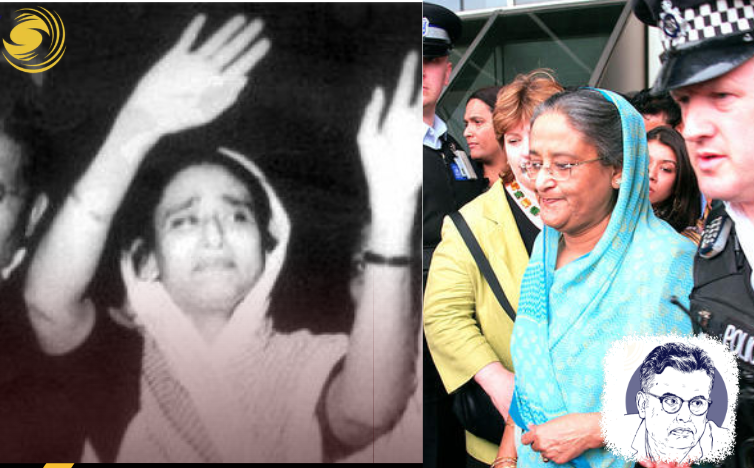
At that time, Syeda Zohra Tajuddin (the wife of Bangladesh’s first Prime Minister, Tajuddin Ahmad) was serving as the convener of the Awami League. On the other hand, Ziaur Rahman, as the Chief Martial Law Administrator and President, had not yet formed a political party.
During this period, one night Ziaur Rahman went to Zohra Tajuddin’s residence in Dhanmondi. What he said to her that night was essentially this: we fought the Liberation War under the leadership of the Awami League. I do not want to go outside the Awami League. Rather, you remain the President of the Awami League, and I become its General Secretary. Then we hold elections in the country. The Awami League will surely win the election. You will be the Prime Minister of the country, and I will be the President.
In response, Zohra Tajuddin said, look Zia, the Awami League will not come to power in this way, nor will it engage in politics through such a path. Rather, you go your way, and we will walk ours.

Ziaur Rahman replied, you know that if a political party is to be formed in this country without the Awami League, it will have to be formed with Razakars and Al-Badr elements. And if you do not come, I will have to do exactly that. You think about it. I will come again next week.
The following week, one night, Ziaur Rahman went again, and Zohra Tajuddin gave him the same answer.
After hearing this incident directly from Zohra Tajuddin at her Dhanmondi residence, out of curiosity I asked her why she had refused Ziaur Rahman so directly. And if she had accepted his proposal, would it not have reduced the rise of Razakar and Al-Badr elements in the country?
Those who knew Zohra Tajuddin closely all know that she was a very dignified person. At the same time, she was also deeply affectionate. In a very gentle tone, she replied, look, the Awami League can never be turned into a Conventional Muslim League (a faction of the Muslim League that betrayed the party by calling a convention and aligning with Ayub Khan, hence it was called the Conventional Muslim League). The Awami League is a party of the people. It is a party of workers. This party can never become part of military rule. Moreover, those who have changed the political landscape through countless killings, including the assassination of Bangabandhu and the four national leaders—if the Awami League were to join them, then Bangladesh would no longer remain. Nor would the Bengali nation.
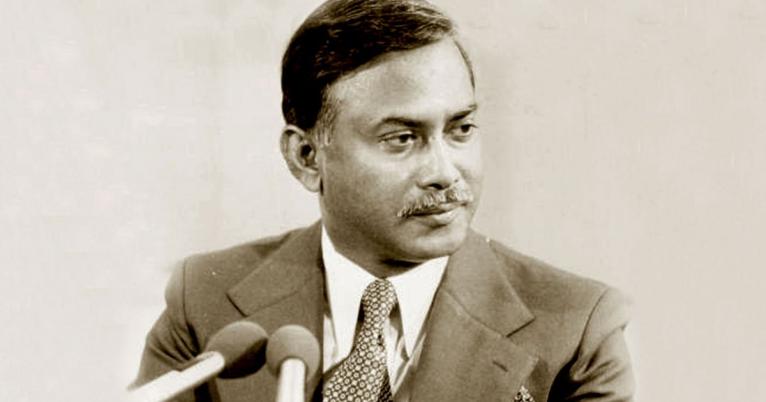
Later, over a long period of time, I had many opportunities and sources to understand these matters more deeply. That is another subject. However, although Ziaur Rahman failed in his first initiative, it became evident from his subsequent steps that he was highly intelligent and understood Bangladesh’s political parties well. Although he was a man of the military, there was a logical reason for his understanding of political parties, since his service responsibilities included studying them.
Even though he could not turn the Awami League into a government party, he understood this truth: in Bangladesh, if the Awami League is kept out of elections, any government formed through such an election will not last long, nor will it gain genuine legitimacy.
For this reason, before the parliamentary elections of 1979, when Ziaur Rahman received news that Awami League leaders, after visiting Bangabandhu’s grave, were returning via Manikganj on their way to Goalanda and had gone to the Savar National Memorial, where Syeda Zohra Tajuddin made them take an oath by touching the memorial that they would not decide to participate in the election. At that time, Syeda Zohra Tajuddin was not the convener of the Awami League but its vice president. Yet her influence within the party was far greater. She had administered that oath, and I also had the opportunity to confirm this directly from her.
Journalist M. R. Akhtar Mukul and Daud Khan Majlish were working in Ziaur Rahman’s government at that time. In a personal discussion, M. R. Akhtar Mukul said that even before the Awami League’s Working Committee meeting on whether to participate in the election began, Ziaur Rahman assigned Daud Khan Majlish the responsibility of monitoring that meeting. He instructed him to report daily on what decisions were being made. Daud Khan Majlish was not as close to the Awami League as M. R. Akhtar Mukul was. Therefore, he sought the help of his friend M. R. Akhtar Mukul.
In that Working Committee meeting of the Awami League, at first everyone was in favor of not participating in the election. But then the then General Secretary of the Awami League, and particularly a leader who had suddenly become popular among the youth, Abdur Razzaq, succeeded on the third day of the meeting in getting the party to pass a decision in favor of participating in the election.
To explain why Abdur Razzaq did this would require recounting a chain of events starting from his arrest at the house of Keraniganj MP Borhan Uddin Gagan after August 15, 1975, up to the split in the Awami League under his leadership in 1984. That is another long saga altogether.
In any case, when M. R. Akhtar Mukul came out quickly and conveyed this news to Daud Khan Majlish, Majlish immediately took him in a car to Ziaur Rahman. When they arrived, they saw Ziaur Rahman pacing back and forth across the room. In the words of M. R. Akhtar Mukul, after hearing the news from Daud’s mouth, he stopped pacing and stood still. Then, in the language of his famous proclamation, he said, “The fever left him as the sweat broke out.”
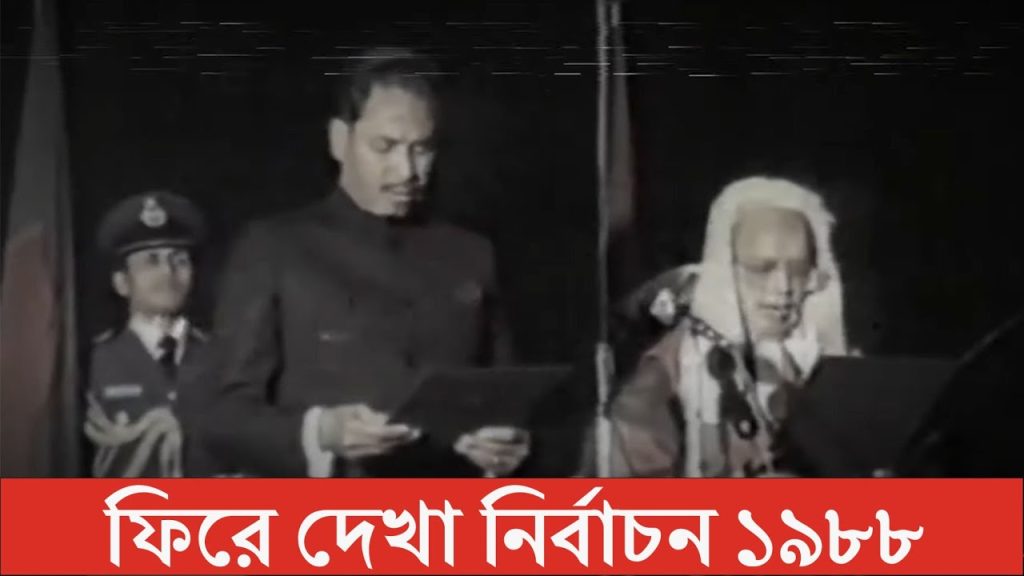
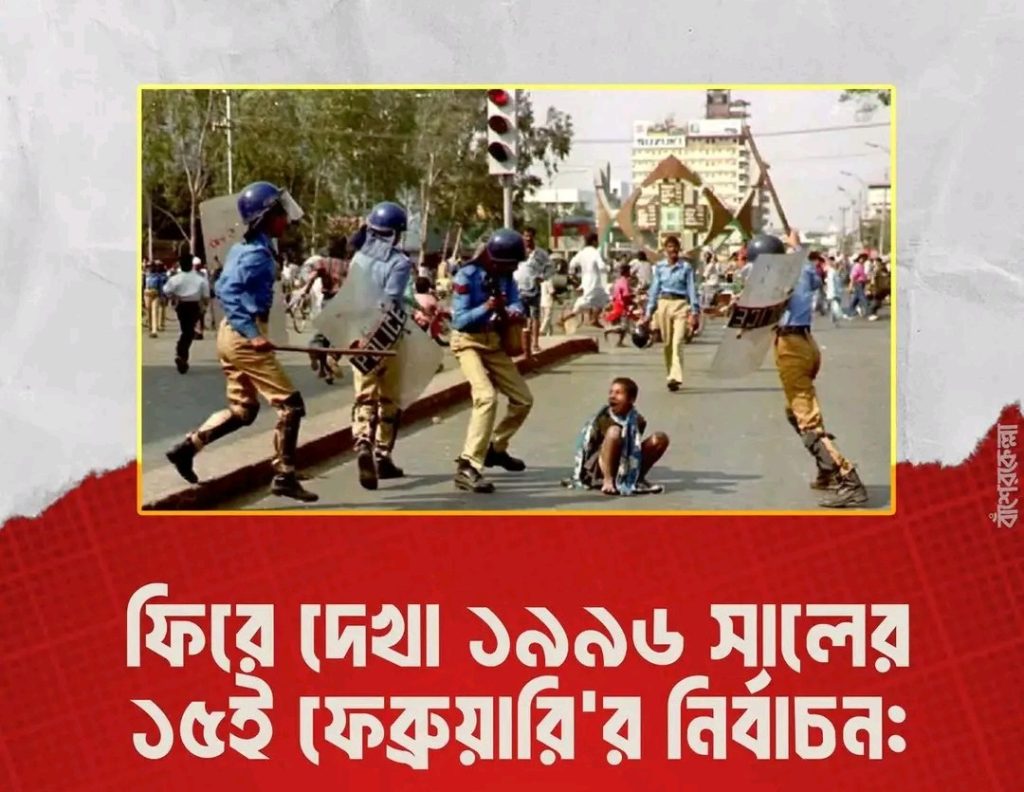
However, looking at Bangladesh’s election history, it can be said that Ziaur Rahman was correct in his political foresight. Because in 1988, President General Ershad held elections excluding the Awami League, and after that election he was able to remain in power for only seventeen months and a few days. In 1996, Khaleda Zia held elections excluding the Awami League and was able to remain in power for only 12 days. On January22, 2007, in attempting to hold an election without the Awami League, the BNP pushed the country onto a different trajectory.
Author: Recipient of the highest state honor, journalist, editor, Sarakhon, The Present World.