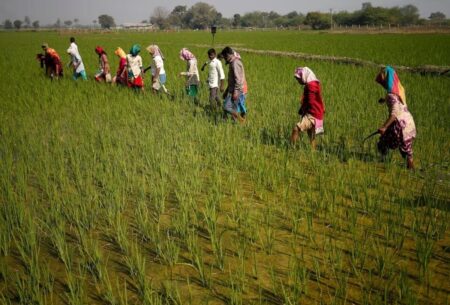

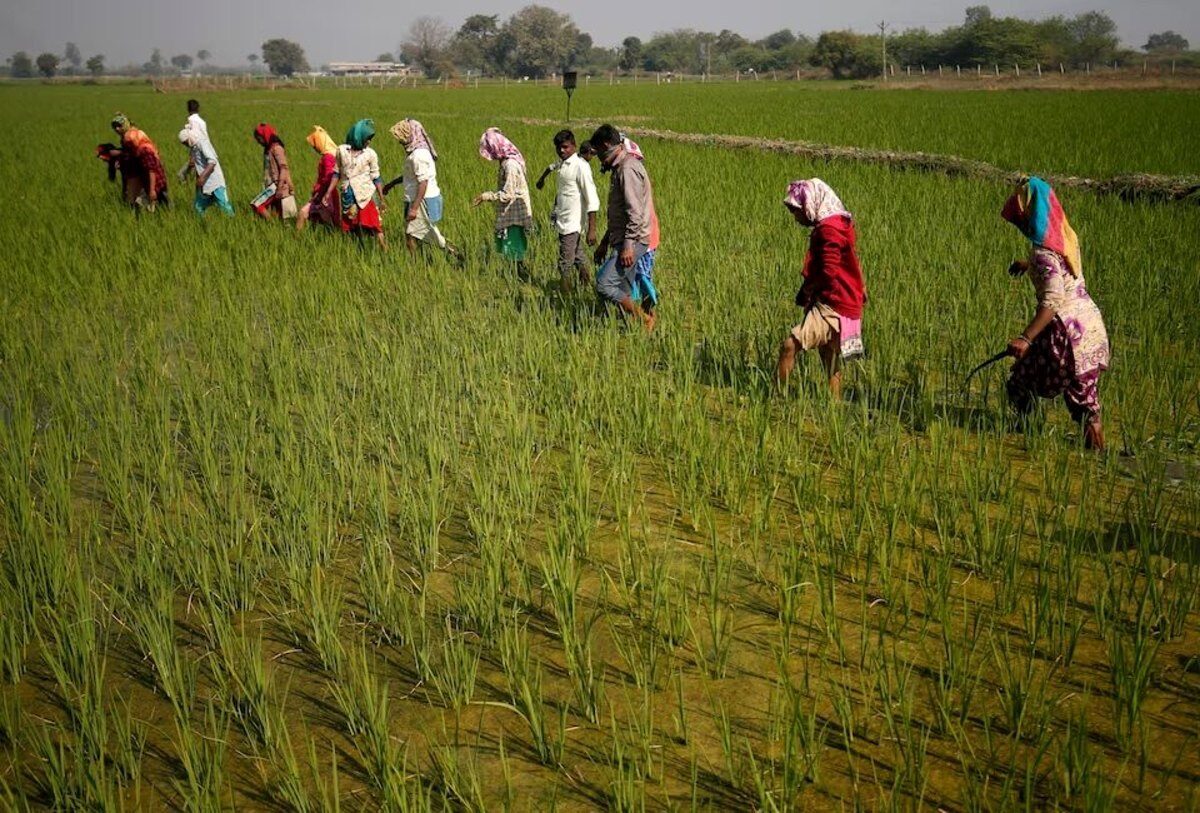
The Union Cabinet of India has approved a fertilizer subsidy of over Rs 66,000 crore to ensure adequate supply for farmers during the winter crop season. The subsidy will be provided for a six-month period from October 2026 to March 2027. The decision aims to supply fertilizers to farmers at affordable prices amid rising international market prices and supply chain disruptions.
India’s Information and Broadcasting Minister Ashwini Vaishnaw said on Wednesday that the cabinet approved a subsidy of 623.70 billion rupees ($6.65 billion) for fertilizers during the winter crop season.
In the previous winter season, the allocation for this sector was 379.5 billion rupees. The new allocation is 244.2 billion rupees higher than the previous year, representing an increase of nearly 64 percent.
Impact of Global Market Volatility
Global fertilizer supply chains remain disrupted due to geopolitical conflicts, including the Russia-Ukraine war. This has driven up international market prices for key fertilizers and raw materials, increasing India’s import costs and the government’s subsidy burden.
According to the Indian government, the decision aims to adjust subsidies in line with changing international fertilizer prices and ensure availability for farmers.
Subsidy Demand Outpaces Budget Allocation
With the new allocation, the total fertilizer subsidy requirement for both winter and summer seasons has reached nearly 1.04 trillion rupees. In the FY 2026-27 budget, 540 billion rupees was allocated for nutrient-based fertilizer subsidies. Under the new calculations, the total requirement for the two seasons is about 92 percent higher than that budget allocation.
However, the total subsidy allocation for all types of fertilizers, including urea, for the current fiscal year was set at 1.7 trillion rupees.
Subsidized Fertilizer Categories
The government stated that the funds will be provided for phosphatic and potassic fertilizers under the Nutrient-Based Subsidy scheme. These include Di-Ammonium Phosphate (DAP) and various NPK grades.
Subsidy rates were approved taking into account recent international price trends of fertilizers and input costs of raw materials such as urea, DAP, Muriate of Potash, and sulphur.
Fertilizers play a crucial role in India’s agricultural production and food supply system. Consequently, despite rising international prices, the government has allocated significant funds to keep fertilizer prices affordable for farmers.
More by Sarakhon Report
 Bangladesh Beat Sri Lanka 4-0 to Top SAFF Group
 Duchess of Edinburgh Marks British Council’s 75th Anniversary in Dhaka
 Police Transfers Seven ASPs With November Deadline
 Sundarbans Overnight Passes Suspended After Tourist’s Death