

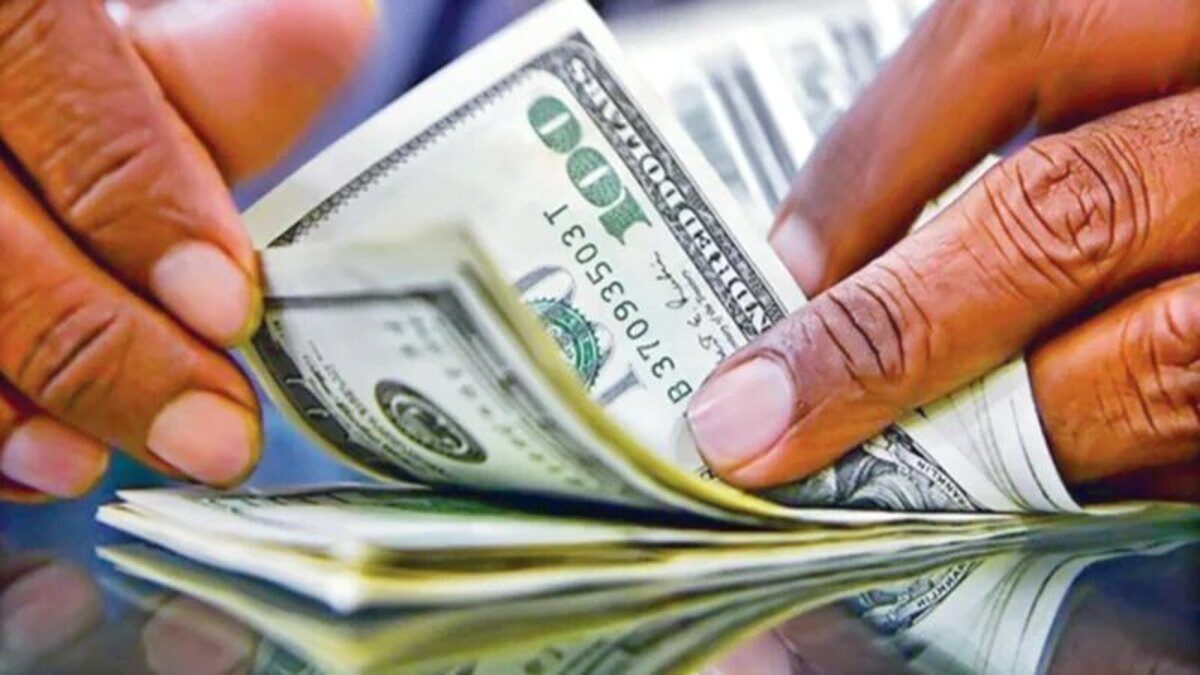
Despite Bangladesh Bank selling dollars from its reserves to increase market supply, the foreign exchange market remains unaffected, with the exchange rate continuing to rise steadily. This situation stems from increased fuel import costs, rising import demand for consumer and other goods, and a market demand that exceeds the supply of dollars.
On Thursday, November 13, the average interbank exchange rate for the US dollar rose to Tk 124.75. The previous day, Wednesday, the rate was Tk 124.65, while in late October, the dollar traded at Tk 123.99.
Rates Remain Uncontrolled Despite Reserve Sales
To increase dollar supply in the market, Bangladesh Bank recently sold USD 222 million from its reserves. Following this, an auction to sell another USD 100 million was called on Thursday. However, despite these central bank initiatives, the dollar market is not stabilizing.
According to bankers, the need to purchase dollars from the spot market at relatively higher rates to meet fuel demand has significantly increased the dollar requirement for the Bangladesh Petroleum Corporation. Additionally, rising import costs for consumer goods and other products have created pressure on foreign exchange.
Open Market Dollar Exceeds Tk 128
On Thursday, banks purchased remittance dollars from foreign exchange houses at rates ranging from Tk 125 to Tk 125.10. For imports, the dollar price exceeded Tk 125.
Meanwhile, the price of cash dollars in the open market rose to Tk 128.20. Because market demand exceeds supply, exchange rates are increasing across various tiers.
During the first 11 days of November, the average interbank dollar price increased by 76 poisha. At the start of October, the dollar rate was Tk 123, which rose to Tk 123.99 by the final working day of the month.
Following the fall of the Awami League government, the dollar exchange rate remained relatively stable between Tk 121 and Tk 122.30 for about a year and a half. Recently, that stability has broken, and dollar prices are once again on an upward trend.
Import Costs Outpace Export and Remittance Growth
In the first four months of the current 2026-27 fiscal year, letters of credit amounting to USD 29.78 billion were opened for various imports, representing a 25 percent increase compared to the same period of the previous fiscal year.
During the same period, the settlement of letters of credit increased to USD 24.86 billion, showing an 11.38 percent growth.
Conversely, export earnings for the first four months of the fiscal year reached USD 17.04 billion, an increase of USD 960 million or 5.97 percent compared to the corresponding period of the previous fiscal year.
Remittances also grew by nearly 13 percent during this time to reach USD 11.46 billion.
Although statistics show growth in imports, exports, and remittances, a higher rate of opening import letters of credit has created pressure on the foreign exchange market. Combined with the increased demand for fuel imports, this is pushing dollar prices even higher.
More by Sarakhon Report
 Henry Cavill Open to Returning as Superman
 381 Factories Closed Across Country, Ministry Says
 Bangladesh Beat Sri Lanka 4-0 to Top SAFF Group
 India Approves Over Rs 66,000 Crore Winter Fertilizer Subsidy