
BRAC Publishes 2025 Annual Report: 26 Million People Reached in One Year

In 2025, nearly 26 million people across Bangladesh received services and support through BRAC programmes, equivalent to one in every seven people in the country. More than 19 million women and over 223,000 persons with disabilities received support from BRAC. Of the people reached directly by BRAC, two out of every three were women. Support was provided across a wide range of sectors, including health, education, financial inclusion, disaster and crisis response, water, sanitation and hygiene (WASH), climate change adaptation, migration, and skills development.
Over the next five years, BRAC aims to create employment opportunities for 1 million people, support nearly 1.9 million students in overcoming learning loss, and further expand its ultra-poor graduation programme.
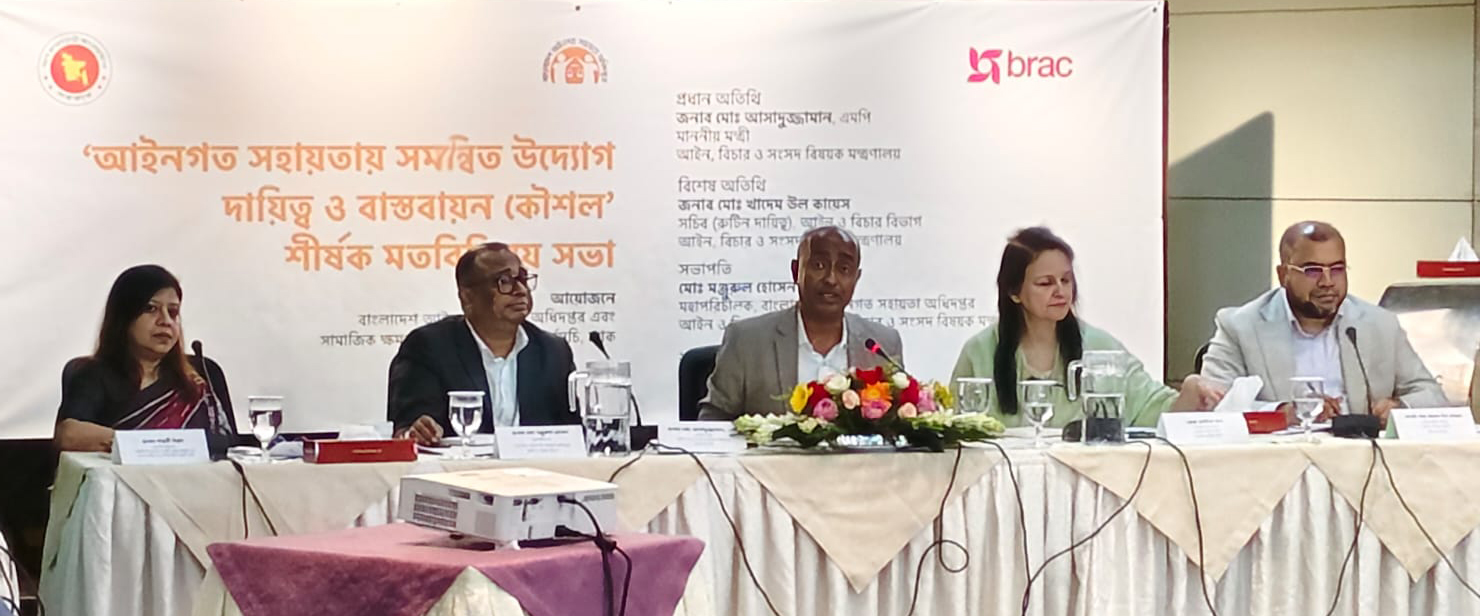
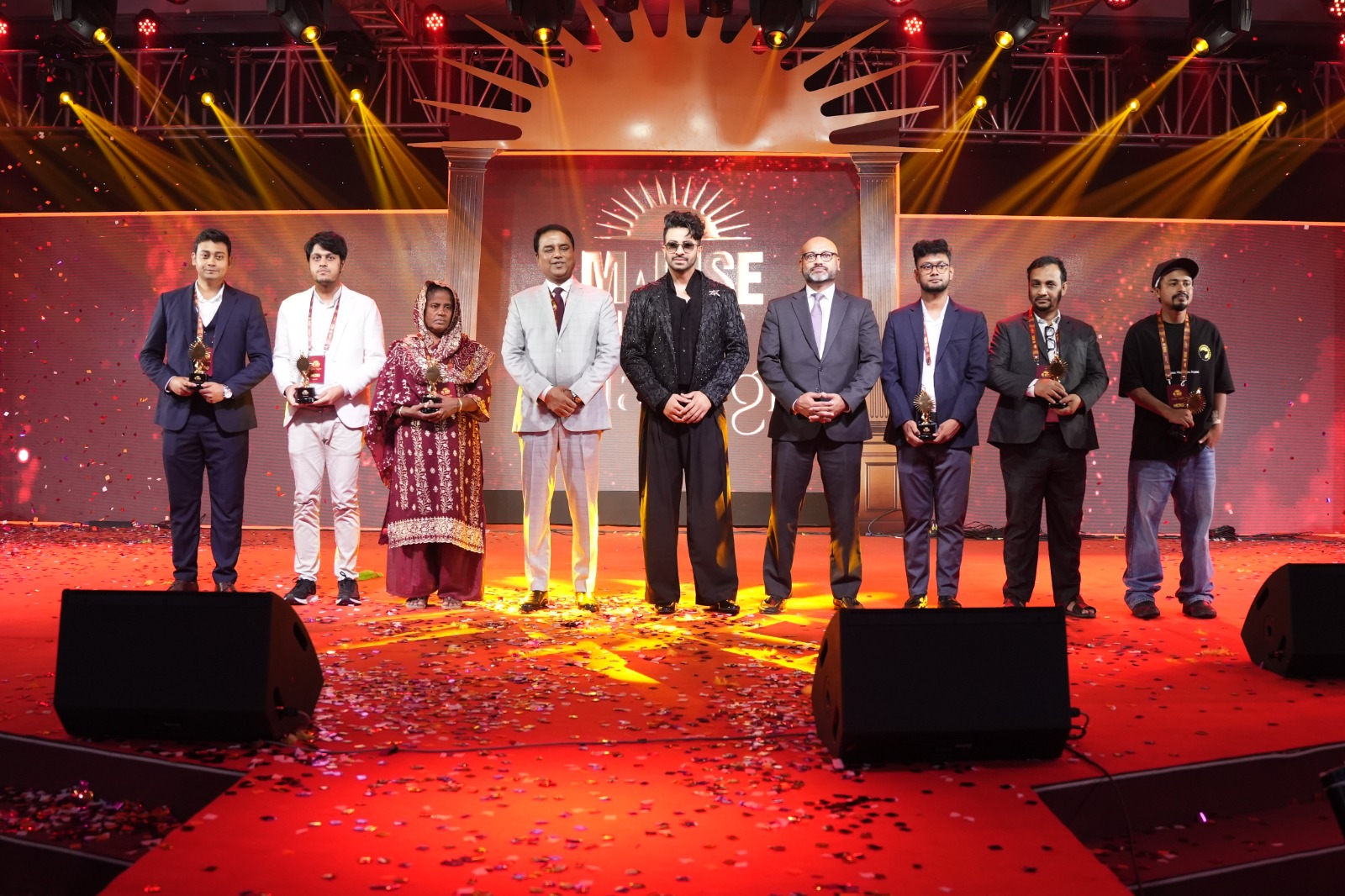
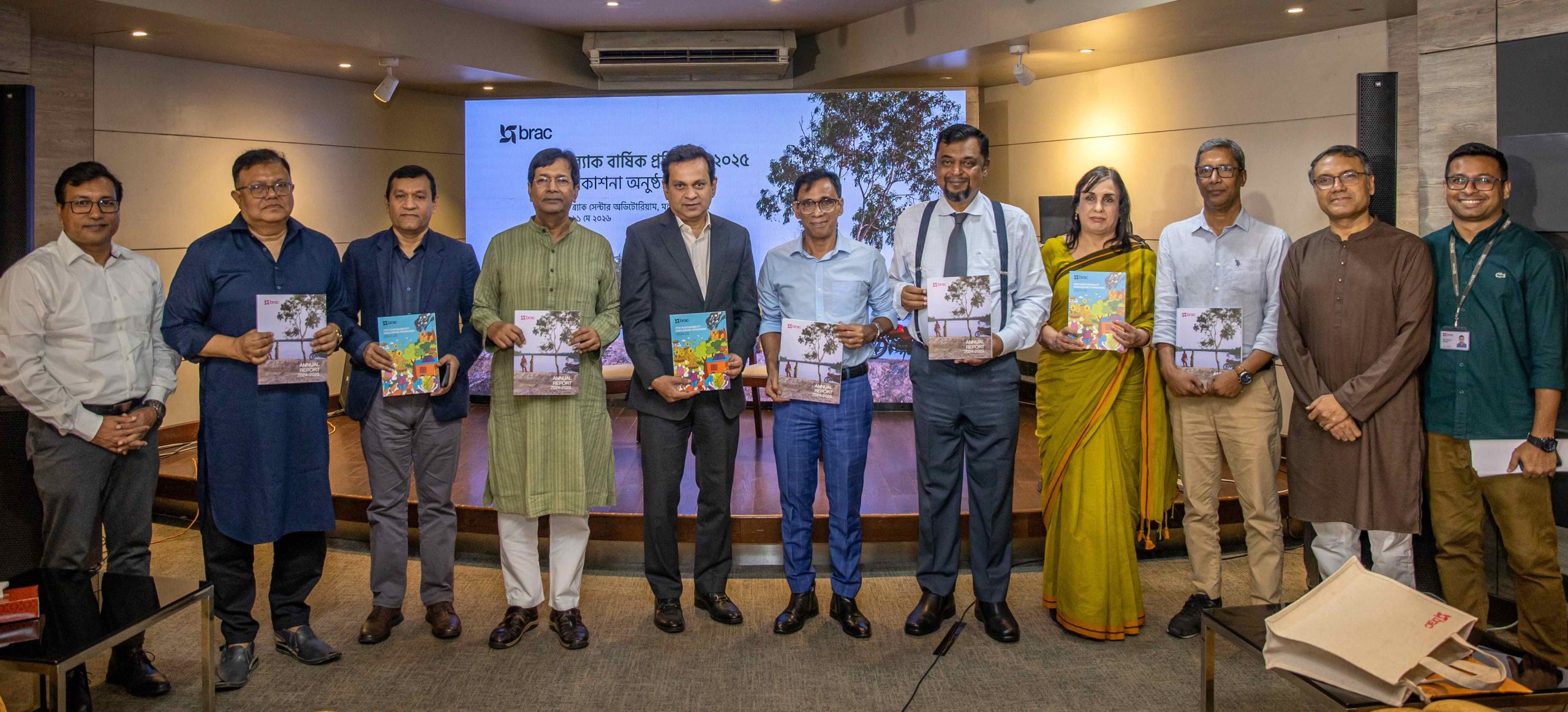
These details were shared at an event organised to mark the publication of BRAC’s 2025 Annual Report. A press meeting marking the launch of the report was held on Monday, 11 May 2026, at BRAC Centre in Mohakhali. Asif Saleh, Executive Director of BRAC, presented key highlights from the report and answered questions from journalists.
In his remarks, Asif Saleh outlined BRAC’s future strategic direction, saying that over the next five years the organisation will operate based on five core principles. These include placing women and young people at the centre of its work, working as part of communities, reaching those at the very margins first, building national capacity in partnership with the government, and harnessing the collective strength of the BRAC family across all initiatives.
Asif Saleh said BRAC’s goal is to develop innovative solutions to address evolving social challenges and emerging needs. He noted that through new initiatives in mental health, day-care services, skills development, and technology-enabled healthcare, BRAC will continue contributing to more integrated and sustainable development in the years ahead. He also said BRAC is becoming increasingly self-reliant through a combination of its microfinance programme, social enterprises, and limited donor support.
He further stated that BRAC has reaffirmed its commitment to operating as a self-sustaining, accountable, and forward-looking development organisation under its next five-year strategic plan. The new plan will prioritise women, young people, and the most marginalised communities, while expanding work on employment, education, healthcare, financial inclusion, agriculture, and climate resilience.
In his welcome remarks, KAM Morshed, Senior Director (Advocacy, Communications and Engagement) at BRAC, said accountability to the people of the country is not merely a slogan for BRAC, but a practice deeply embedded in its work. He noted that during COVID-19, floods, and other natural and human-induced disasters, as well as in moments of national opportunity, BRAC has consistently stood beside communities with commitment and responsiveness. Although BRAC’s presence extends globally, he added, people and their participation remain at the heart of its work.
AFM Shahidur Rahman, Director (MEAL, Risk Management, Safeguarding and Social Compliance), presented a summary of the annual report. Senior journalists and senior BRAC officials were also present at the event.
Among those who shared their views at the event were Sajjad Sharif, Executive Editor of Prothom Alo; Ayesha Kabir, Head of Prothom Alo English Web; Zahid Newaz Khan, Chief Executive Editor of Channel i; Shahed Mohammad Ali, Editor of Samakal; Reaz Ahmad, Editor of Dhaka Tribune; and Julhas Alam, Bureau Chief of Associated Press (AP).
Economic Empowerment
According to the annual report, BRAC continues to support income generation and capacity building for marginalised communities through its microfinance, ultra-poor graduation, and skills development programmes. The report notes a significant increase in loan disbursement under the microfinance programme. Efforts to support women entrepreneurs and strengthen agricultural assistance have also been expanded.
Over the past five years, nearly BDT 10 billion worth of assets have been transferred as part of poverty alleviation efforts. Around 312,000 ultra-poor families have graduated out of extreme poverty. Total loan disbursement increased from BDT 290 billion to BDT 485 billion.
Health and Nutrition
Through community-based healthcare services, BRAC has continued working on maternal and child health, tuberculosis, malaria, and non-communicable diseases. Over the past five years, 2.1 million mothers received safe delivery services. Non-communicable diseases, disabilities, and eye conditions were identified among 3.5 million people. More than 1 million tuberculosis patients were identified and brought under treatment.
Inclusive Education
Through BRAC’s education programmes, millions of children and adolescents gained access to education. The report also outlines plans to provide integrated education, nutrition, and mental health support for children living in marginalised and climate-vulnerable areas.
Over the past five years, 644,000 students completed BRAC’s education programmes, 56 percent of whom were girls. Scholarships were also provided to talented students from low-income backgrounds. Safe drinking water, sanitation, and handwashing facilities were provided for 808,000 students in 1,740 schools.
Climate Change and Disaster Resilience
BRAC has been working to strengthen the resilience of vulnerable communities through climate-resilient agriculture, safe water systems, adaptation clinics, and disaster preparedness initiatives. According to the report, nearly 1.1 million disaster-affected families received humanitarian support. Around 133,000 families received solutions to cope with the impacts of climate change. A total of 105,729 people living in disaster-prone areas gained access to safe water through climate-resilient technologies.
Gender Equality
BRAC continues its work on leadership development for women, adolescent girls, and young people, alongside legal aid and child marriage prevention initiatives. Over the past five years, 98,600 complaints related to violence against women and children were documented and provided with legal assistance. A total of 102,000 adolescent girls received support to build confidence and pursue their goals. In 2025 alone, programme participants directly helped prevent 2,237 child marriages.
What the Future Holds
Over the next five years, BRAC will prioritise inclusive development centred on women and young people, employment generation, quality education, financial inclusion, primary healthcare, and climate resilience.
Through seven integrated development priorities, BRAC aims to create 1 million jobs, support 1.9 million students in addressing learning loss, bring 20 million people under financial services, and disburse BDT 150 billion in loans annually. BRAC will establish 200 new financial service centres in chars, haors, the Chattogram Hill Tracts, and coastal areas. Each year, 100,000 families will complete the ultra-poor graduation programme, while urban graduation activities will expand from 17 to 30 districts. Special emphasis will be placed on 20 climate-vulnerable districts. Support will reach 1.25 million women farmers. In 268 upazilas, 65,000 adolescent girls will receive essential support, while legal services will become more accessible through 268 legal aid clinics. Healthcare services will also expand to 39 districts.
BRAC Releases IFRS Report
As the country’s first non-governmental development organisation to do so at an institutional level, BRAC has published science-based information on its environmental sustainability initiatives, climate-related risks, and opportunities through its International Financial Reporting Standards (IFRS) S1 and S2 Disclosure Report. The report is structured around four key pillars of the IFRS Disclosure Standards: governance, strategy and management, risk management, and metrics and targets.