AI infrastructure push runs into power bottlenecks and tariff pressure


Big ambition, slow construction
The race to build artificial intelligence infrastructure is no longer just a story about chips and software. It is increasingly a story about land, electricity, cooling systems, transformers and the politics of global supply chains. A fresh analysis from Ars Technica argues that the United States’ push to speed up new AI data center construction is colliding with delays that are much harder to fix than marketing suggests. The result is a growing mismatch between public ambition and physical delivery.
The central problem is that data centers need far more than computing demand. They need grid access, specialized equipment and predictable import flows. If nearly half of major projects are delayed, as the report indicates, that becomes more than a temporary inconvenience. It begins to shape the competitive map of AI itself. The companies that can lock in power and equipment first gain a structural advantage, while smaller players face higher costs and longer waits.
Tariffs and supply chain friction are adding to the slowdown. Some of the hardware needed for large-scale energy and data infrastructure still depends on foreign manufacturing, including equipment linked to China. If policymakers promote rapid domestic buildout while also making critical inputs more expensive or harder to source, the bottleneck moves upstream. That makes the AI boom look less like a smooth industrial expansion and more like a patchwork of projects racing against the limits of real-world infrastructure.
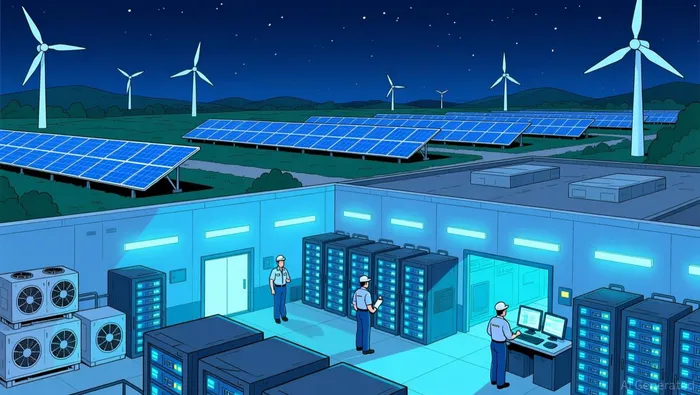
The limits of the AI buildout
This matters because AI investment has been sold as if capacity can simply be willed into existence. In practice, data centers are heavy industrial projects. They compete with factories, housing, hospitals and public utilities for land, skilled labor and electricity. Communities often push back over water use, emissions and noise. Utilities worry about reliability when giant facilities arrive faster than transmission upgrades. Even when money is abundant, the system around the project may not be ready.
That gap between hype and logistics is becoming harder to hide. Investors may celebrate announcements, but construction timelines are increasingly governed by transformers, interconnection studies and regulatory approvals rather than product road maps. In that sense, the AI economy is starting to resemble older infrastructure booms. Capital moves quickly, but the grid moves slowly.
The likely next phase is not a halt but a sorting process. The biggest firms will keep building, though often more slowly than promised. Regions with surplus power, better permitting and stronger industrial supply chains may pull ahead. Others will find that AI leadership depends as much on electricity policy and trade strategy as on model performance. The lesson is simple: the future of AI will be built not only in code, but also in substations, equipment yards and long procurement lines.