Tarique Rahman’s First Visit to India: Bangladesh Can at Least Hope for the Teesta Agreement

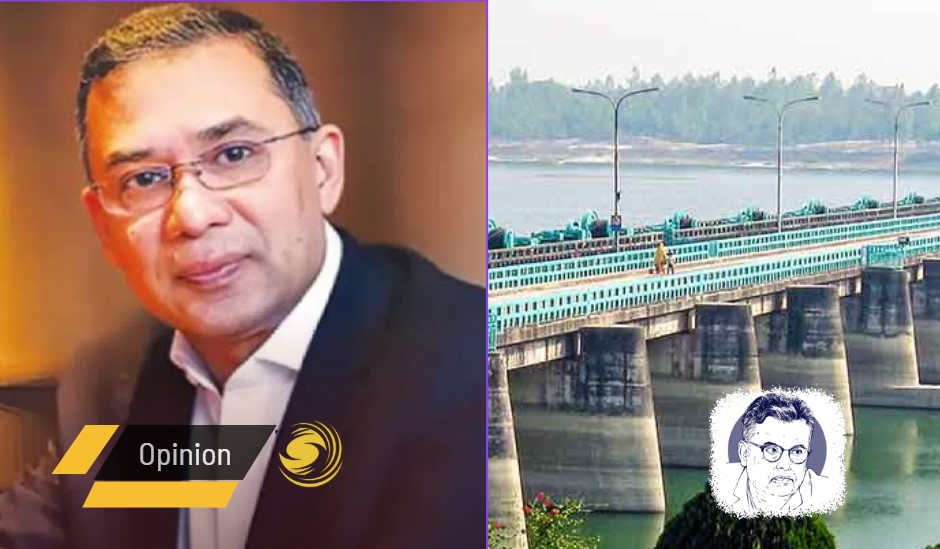
Zahed Ur Rahman, one of Tarique Rahman’s advisers, has said that Tarique Rahman could visit India at any time now. That he will visit India is only natural. Just two days ago, I was telling a journalist friend that a tabloid newspaper or some similar media outlet might run a story claiming, “Prime Minister Tarique Rahman will not visit India.” But why did a leading newspaper such as Prothom Alo publish a report expressing doubts about whether he would go?
That journalist friend told me, “Many others are reporting the same thing. How can you be so sure that he will go?” Laughing, I said to him, “Muhammad Yunus, then head of Bangladesh’s interim government, had roared as though he would devour India’s northeastern ‘Seven Sisters’—but did you not see his body language in Bangkok?”
Besides, after closely observing Tarique Rahman’s return to the country, his victory in the election, his becoming prime minister, and indeed his substantial return to politics, why would anyone think that he would not visit India? Moreover, for a small state, a neighbouring major power always constitutes a different reality. Once one occupies the seat of state power, that reality cannot be denied. In Sri Lanka, for example, one finds that a large section of middle-class young men and women are fond of China; many of them are now even learning Mandarin alongside English. Yet is the Indian government not pouring billions upon billions of dollars into the “Indian Ocean” for Sri Lanka? In other words, even a large state cannot disregard its neighbour.

It is, however, a different matter if newspapers or journalists are used to generate hype on behalf of the government. The groups now in power and in opposition that together constitute this “July force”—the political forces that emerged from the July 2024 uprising—derive their principal political capital, after all, from anti-India sentiment. Even the influencers associated with them, as well as the editors and journalists of certain media outlets, subsequently acknowledged that they had worked in favour of bringing down the government through the July movement. If one looks closely at how their activities began, it becomes clear that they started their movement with anti-India rhetoric and the “Boycott India” campaign. This was because, at the outset, there was no other label they could attach to a stable government that had kept the country economically steady. Therefore, they must also preserve this political capital of anti-India sentiment.
Tarique Rahman’s forthcoming visit to India, however, has two parts. In the first, he has been invited to attend the BRICS Outreach Session in India in his capacity as the current chair of BIMSTEC, the Bay of Bengal regional grouping. The second concerns India’s earlier invitation to him to visit the country with his family.
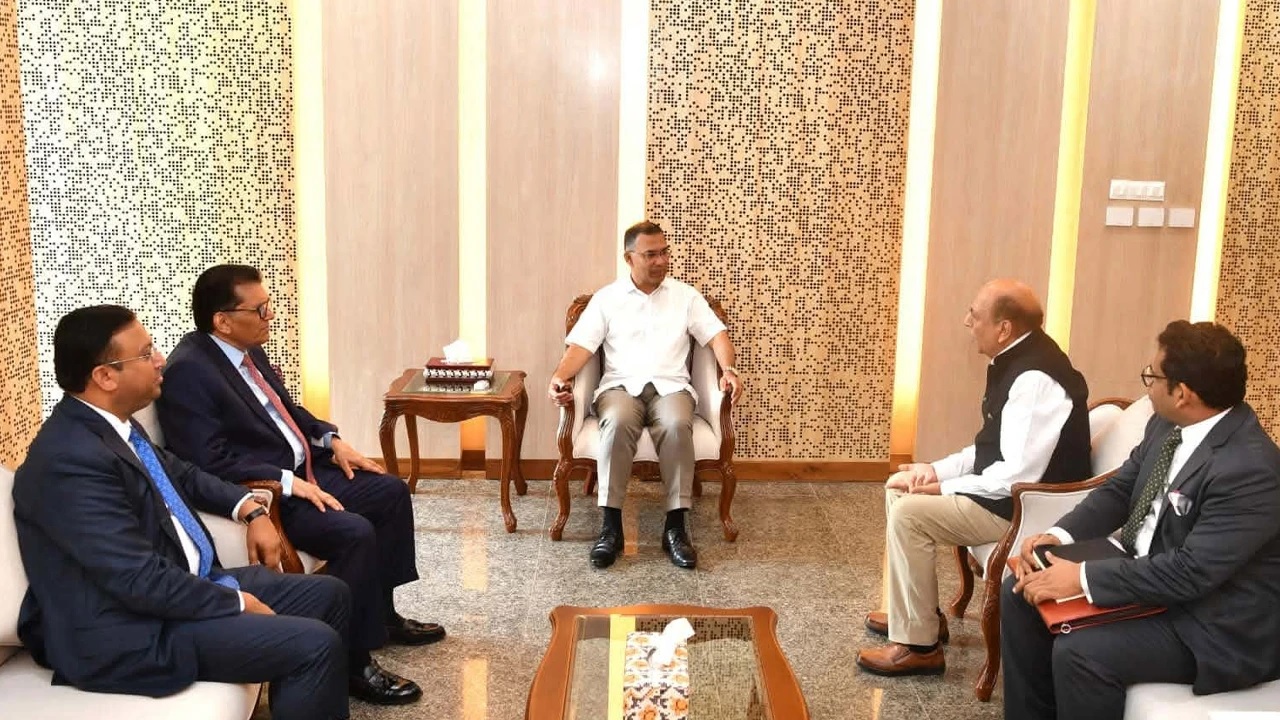
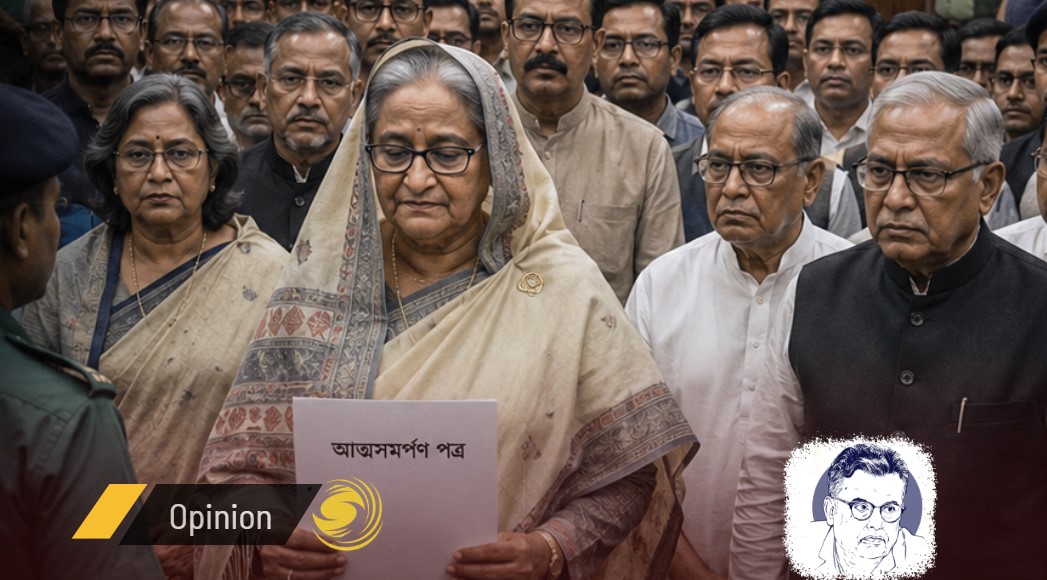
In other words, the latter part of the visit is bilateral. And in this bilateral part of the visit, both Bangladesh and India will seek to safeguard their respective interests. To put the point more plainly, after Tarique Rahman’s meeting with Dinesh Trivedi, India’s high commissioner to Bangladesh, nothing was said about his participation in the BRICS summit; instead, it was announced that the extradition of former prime minister Sheikh Hasina, who is now living in India, and the return of those accused of murdering Sharif Osman Hadi, who was associated with the July uprising, had been discussed.
A day later, people learned that the reality was the exact opposite of the hype that newspapers and other media had been generating for so long about his not going. The head of the Bangladesh government is going to India.
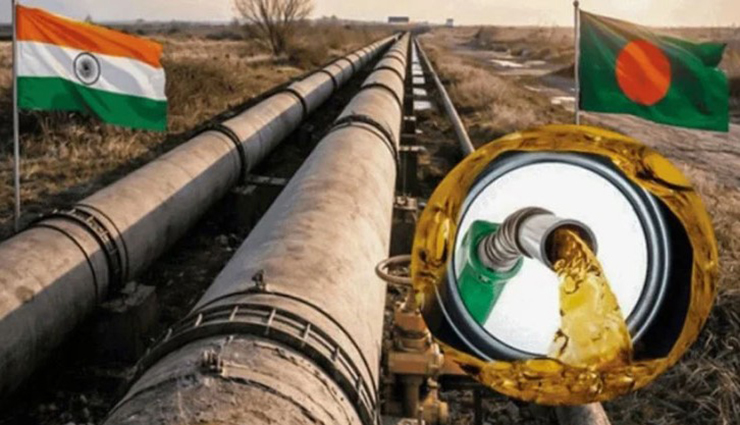
Likewise, in the discussions between India and Bangladesh at the highest level, the subjects will be the Teesta water-sharing agreement, the waters of the Ganges, border security, militancy, trade facilitation, diesel and power supplies.
The word “extradition” is being repeatedly uttered in relation to Sheikh Hasina, but the word that initially slipped from the foreign minister’s tongue was “return”—the return of Sheikh Hasina. In Sheikh Hasina’s case, that is the reality. For what legal scope does the Indian government have to extradite her? She is not being held there as a prisoner; she is an honoured state guest. That she does not fall within the purview of extradition law was understood even by the Yunus government in Bangladesh, and the present government certainly understands it as well.
Dinesh Trivedi, India’s high commissioner to Bangladesh and an Indian cabinet minister, has said that the more issues arise, the stronger the democratic process becomes. These are, in the truest sense, the words of an experienced politician.
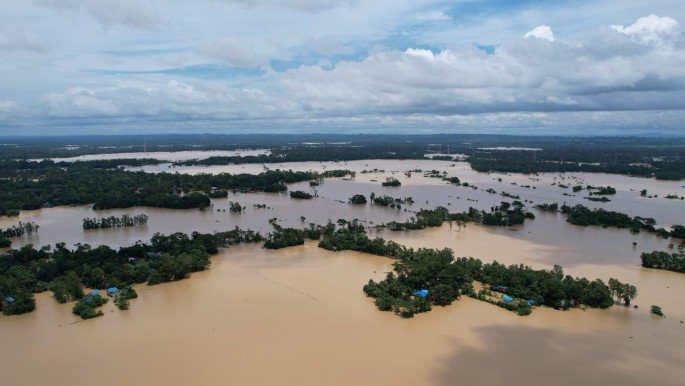
Yet there are certain issues that need to be resolved now for the people of Bangladesh. Village after village, for instance, has no electricity. The energy minister has asked India to supply diesel. For so long, with Mamata Banerjee’s government in power in West Bengal, India’s central government has been unable to conclude the Teesta agreement. Every aspect of the agreement has already been finalised—all that remains now is for it to be signed. The energy and electricity crisis is now global. Let that, then, be addressed later. But Bangladesh’s prime minister should at least be able to return after signing the Teesta agreement for the people of his country—surely this issue can be resolved as an expression of the beauty of democracy. After all, if the prime minister returns from his first visit without the Teesta agreement, what success will the visit have achieved? The people of Bangladesh will naturally expect at least this much from their friendly neighbour, India.
The author is a recipient of the country’s highest state award for journalism and Editor of Sarakhon and The Present World.