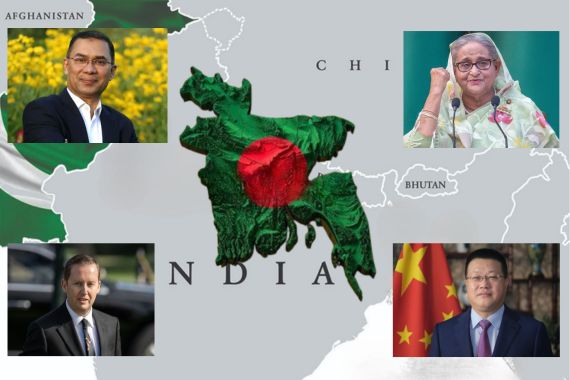
Tarique Rahman–Trivedi Meeting: New Initiative to Advance Bangladesh-India Relations

Sarakhon Report

Bangladesh and India share not only a border, but also interconnected aspirations and futures for their people, Indian High Commissioner to Bangladesh Dinesh Trivedi said after his first meeting with Prime Minister Tarique Rahman. Describing Monday’s meeting as productive, he said the central objective of bilateral relations should be mutual cooperation in the interests of the people and ensuring a positive future for both countries.

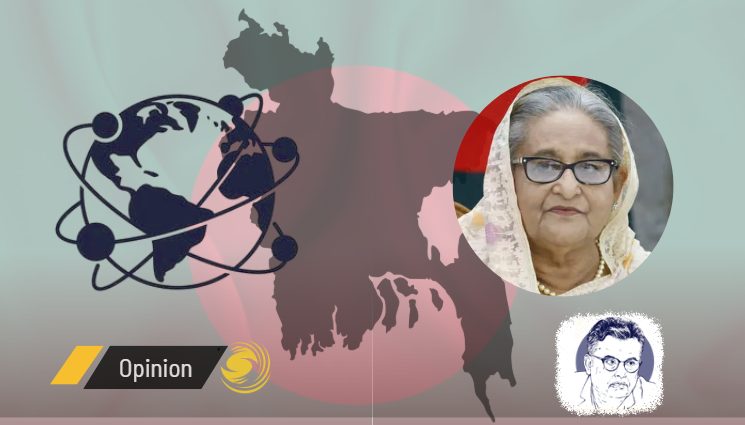
Trivedi’s remarks came at a time when tensions had emerged in Dhaka-New Delhi relations over Sheikh Hasina’s recent statements in Delhi. However, through a series of recent meetings and diplomatic contacts, the two countries are once again seeking to move their relationship in a constructive direction.

Message of resolving issues through dialogue

Speaking about his meeting with the prime minister, Trivedi said he spoke with Tarique Rahman not only as a diplomat but also as a representative of the people. Although it was their first meeting, he described the discussion as natural and cordial. He referred to Tarique Rahman as “a man of the people.”

According to the Indian high commissioner, many problems can be resolved when the leaders of the two countries sit together. He also expressed confidence that there is no issue between Bangladesh and India for which a solution cannot be found.

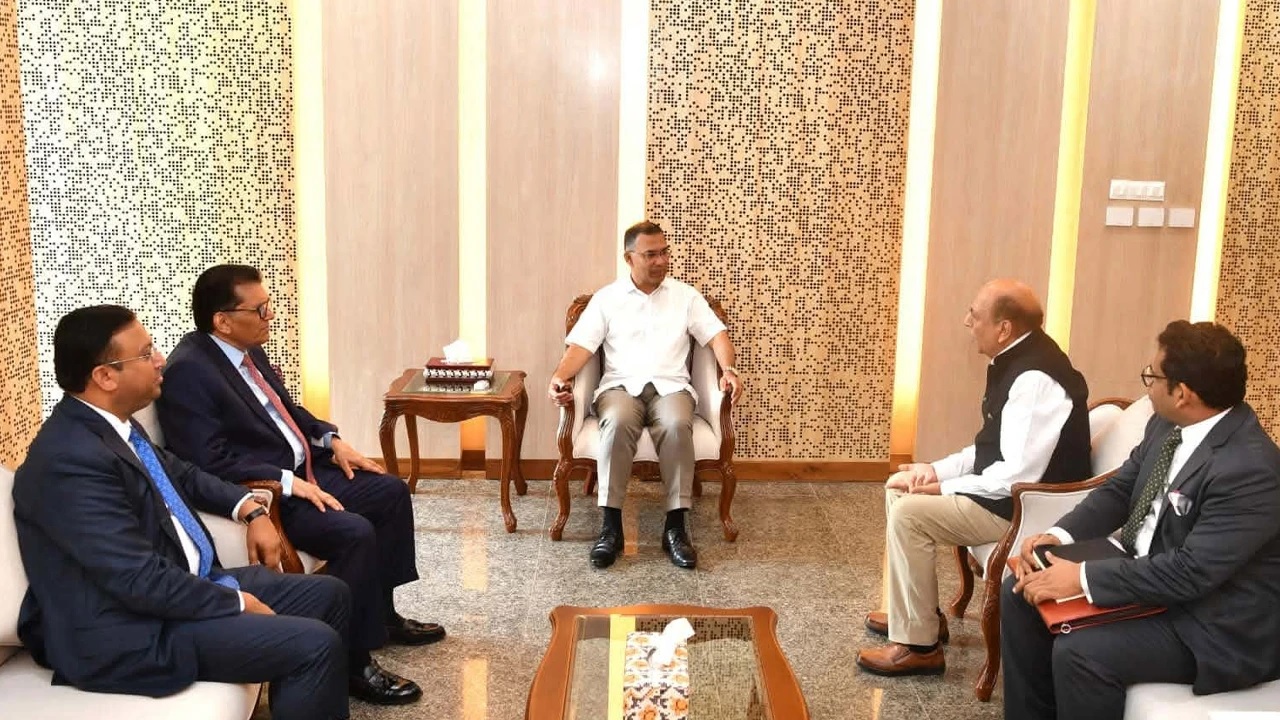
গণপ্রজাতন্ত্রী বাংলাদেশ সরকারের মাননীয় প্রধানমন্ত্রী তারেক রহমানের সঙ্গে  বৈঠকে বসেছেন ঢাকায় নিযুক্ত ভারতীয় হাইকমিশনার দীনেশ ...

Earlier on Sunday, Trivedi met Foreign Minister Dr Khalilur Rahman. After meeting the prime minister on Monday, he also held discussions with Home Minister Salahuddin Ahmed. Since presenting his credentials to the president on June 25, his continued engagement with senior government officials signals efforts to reactivate ties between the two countries.

Efforts to advance relations under the ‘Bangladesh First’ policy

Dhaka has made it clear that its “Bangladesh First” policy will remain intact as it seeks to advance relations with India. At the same time, Bangladesh is emphasizing the development of a forward-looking relationship based on sovereign equality, mutual trust, understanding and shared interests.

The two countries have more than 40 bilateral mechanisms covering water, trade, border management and consular issues. India has expressed interest in gradually reactivating these mechanisms. If these platforms become fully functional, they could create more opportunities for regular discussions on long-standing bilateral issues.

Focus on water, borders and energy

Bangladesh’s State Minister for Foreign Affairs Shama Obaed Islam said the country’s relationship with India is not limited to any single recent issue. There is a need for discussions on a range of matters, including water, energy and border management. Dhaka wants to prioritize regular dialogue to resolve these issues.

সিঙ্গাপুর সফরে যাচ্ছেন পররাষ্ট্র প্রতিমন্ত্রী | এনপিবি

Communication between the two countries is also increasing in the energy sector. On August 6, Trivedi met Power, Energy and Mineral Resources Minister Iqbal Hasan Mahmud. Strengthening cross-border electricity and energy connectivity received particular attention during the meeting.

The energy minister said Bangladesh imports diesel from India through a pipeline and has requested increased supplies. The two sides agreed to strengthen cooperation on energy security, sustainable development and mutual interests.

Invitation to Tarique Rahman to attend BRICS summit

Another important aspect of the renewed engagement between Dhaka and New Delhi is the BRICS summit. The 18th BRICS Summit will be held in New Delhi on September 12 and 13. As the current chair of BIMSTEC, Prime Minister Tarique Rahman has been invited by India to attend the summit’s outreach session.

Indian Foreign Ministry spokesperson Randhir Jaiswal said Tarique Rahman was formally invited to visit India in February 2026, shortly after becoming prime minister. The invitation to the BRICS outreach session is linked to Bangladesh’s current position as chair of BIMSTEC.

Bangladesh Foreign Minister Dr Khalilur Rahman said Dhaka is reviewing the invitation and will communicate its decision.

সম্পর্ক এগিয়ে নিতে প্রধানমন্ত্রী তারেক রহমানের সঙ্গে বৈঠকে বসেছেন ভারতের  হাইকমিশনার

Initiatives to strengthen people-to-people ties

Alongside diplomatic engagement, the Indian High Commission is also placing emphasis on people-centered relations. During a visit to the Indian Visa Application Centre in Dhaka, a mother requested a safe play area for children. Within a few weeks, the initiative was implemented, and the mother herself inaugurated the facility with her child.

The high commission said that although such initiatives may be small, they represent an important foundation of bilateral relations by bringing people-to-people connections to the forefront.

Trivedi’s remarks following his meeting with Tarique Rahman, along with the recent series of diplomatic engagements, indicate that Dhaka and New Delhi do not want their relationship to remain stagnant. Efforts are underway to keep the path of dialogue open, particularly on important issues such as water, borders and energy. How effectively these renewed contacts translate into practical solutions will be the next major test for relations between the two countries.


03:51:11 pm, Monday, 10 August 2026

Tarique Rahman–Trivedi Meeting: New Initiative to Advance Bangladesh-India Relations

03:51:11 pm, Monday, 10 August 2026

Bangladesh and India share not only a border, but also interconnected aspirations and futures for their people, Indian High Commissioner to Bangladesh Dinesh Trivedi said after his first meeting with Prime Minister Tarique Rahman. Describing Monday’s meeting as productive, he said the central objective of bilateral relations should be mutual cooperation in the interests of the people and ensuring a positive future for both countries.

Trivedi’s remarks came at a time when tensions had emerged in Dhaka-New Delhi relations over Sheikh Hasina’s recent statements in Delhi. However, through a series of recent meetings and diplomatic contacts, the two countries are once again seeking to move their relationship in a constructive direction.

Message of resolving issues through dialogue

Speaking about his meeting with the prime minister, Trivedi said he spoke with Tarique Rahman not only as a diplomat but also as a representative of the people. Although it was their first meeting, he described the discussion as natural and cordial. He referred to Tarique Rahman as “a man of the people.”

According to the Indian high commissioner, many problems can be resolved when the leaders of the two countries sit together. He also expressed confidence that there is no issue between Bangladesh and India for which a solution cannot be found.

গণপ্রজাতন্ত্রী বাংলাদেশ সরকারের মাননীয় প্রধানমন্ত্রী তারেক রহমানের সঙ্গে  বৈঠকে বসেছেন ঢাকায় নিযুক্ত ভারতীয় হাইকমিশনার দীনেশ ...

Earlier on Sunday, Trivedi met Foreign Minister Dr Khalilur Rahman. After meeting the prime minister on Monday, he also held discussions with Home Minister Salahuddin Ahmed. Since presenting his credentials to the president on June 25, his continued engagement with senior government officials signals efforts to reactivate ties between the two countries.

Efforts to advance relations under the ‘Bangladesh First’ policy

Dhaka has made it clear that its “Bangladesh First” policy will remain intact as it seeks to advance relations with India. At the same time, Bangladesh is emphasizing the development of a forward-looking relationship based on sovereign equality, mutual trust, understanding and shared interests.

The two countries have more than 40 bilateral mechanisms covering water, trade, border management and consular issues. India has expressed interest in gradually reactivating these mechanisms. If these platforms become fully functional, they could create more opportunities for regular discussions on long-standing bilateral issues.

Focus on water, borders and energy

Bangladesh’s State Minister for Foreign Affairs Shama Obaed Islam said the country’s relationship with India is not limited to any single recent issue. There is a need for discussions on a range of matters, including water, energy and border management. Dhaka wants to prioritize regular dialogue to resolve these issues.

সিঙ্গাপুর সফরে যাচ্ছেন পররাষ্ট্র প্রতিমন্ত্রী | এনপিবি

Communication between the two countries is also increasing in the energy sector. On August 6, Trivedi met Power, Energy and Mineral Resources Minister Iqbal Hasan Mahmud. Strengthening cross-border electricity and energy connectivity received particular attention during the meeting.

The energy minister said Bangladesh imports diesel from India through a pipeline and has requested increased supplies. The two sides agreed to strengthen cooperation on energy security, sustainable development and mutual interests.

Invitation to Tarique Rahman to attend BRICS summit

Another important aspect of the renewed engagement between Dhaka and New Delhi is the BRICS summit. The 18th BRICS Summit will be held in New Delhi on September 12 and 13. As the current chair of BIMSTEC, Prime Minister Tarique Rahman has been invited by India to attend the summit’s outreach session.

Indian Foreign Ministry spokesperson Randhir Jaiswal said Tarique Rahman was formally invited to visit India in February 2026, shortly after becoming prime minister. The invitation to the BRICS outreach session is linked to Bangladesh’s current position as chair of BIMSTEC.

Bangladesh Foreign Minister Dr Khalilur Rahman said Dhaka is reviewing the invitation and will communicate its decision.
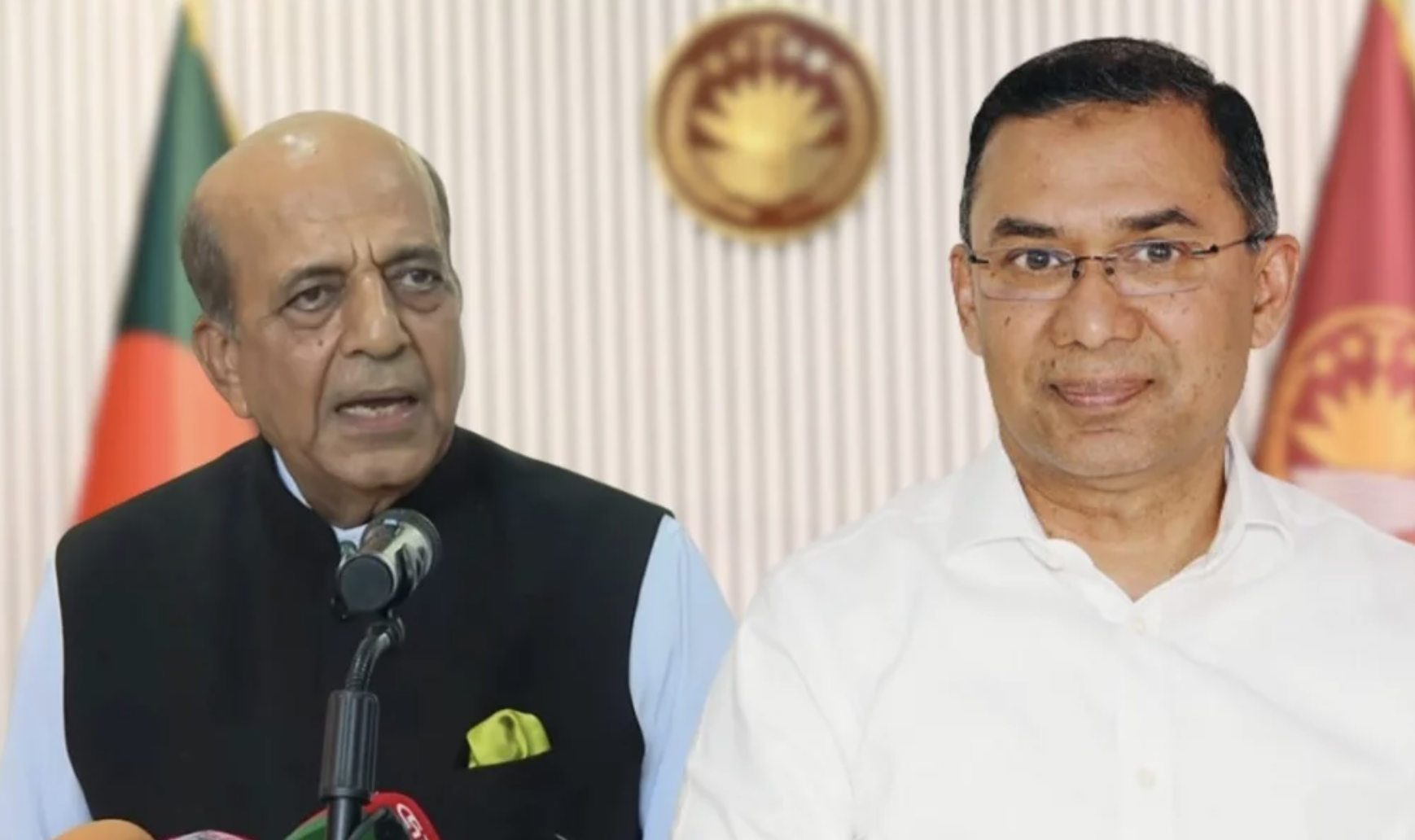
সম্পর্ক এগিয়ে নিতে প্রধানমন্ত্রী তারেক রহমানের সঙ্গে বৈঠকে বসেছেন ভারতের  হাইকমিশনার

Initiatives to strengthen people-to-people ties

Alongside diplomatic engagement, the Indian High Commission is also placing emphasis on people-centered relations. During a visit to the Indian Visa Application Centre in Dhaka, a mother requested a safe play area for children. Within a few weeks, the initiative was implemented, and the mother herself inaugurated the facility with her child.

The high commission said that although such initiatives may be small, they represent an important foundation of bilateral relations by bringing people-to-people connections to the forefront.

Trivedi’s remarks following his meeting with Tarique Rahman, along with the recent series of diplomatic engagements, indicate that Dhaka and New Delhi do not want their relationship to remain stagnant. Efforts are underway to keep the path of dialogue open, particularly on important issues such as water, borders and energy. How effectively these renewed contacts translate into practical solutions will be the next major test for relations between the two countries.