Why Is India Concerned About Bangladesh Buying China’s J-10CE Fighter Jets?

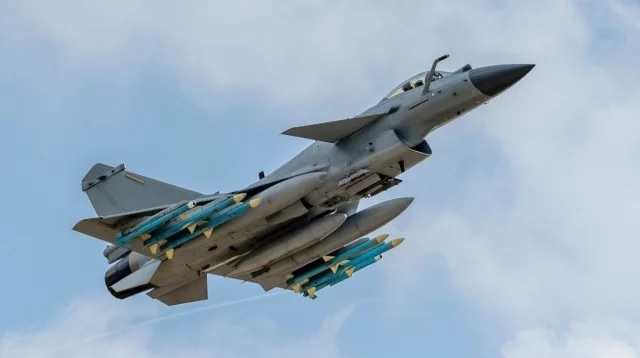
Bangladesh’s decision to acquire 20 Chinese-made J-10CE multirole fighter jets as part of the modernization of the Bangladesh Air Force has sparked fresh debate about security and strategic balance in South Asia. The defense deal, reportedly worth about US$2.2 billion, is being viewed by India as more than a routine military procurement. New Delhi sees it as part of China’s growing influence in the region.
According to defense analysts, the move marks a significant step forward in military cooperation between Dhaka and Beijing. At the same time, it introduces new strategic considerations for India’s eastern security environment.
Modernizing the Bangladesh Air Force
The acquisition is being pursued under the Bangladesh Air Force’s long-term “Forces Goal 2030” modernization plan. For years, there has been discussion about replacing aging F-7 fighter aircraft and supplementing the country’s limited fleet of MiG-29 jets with a more advanced platform.
Under the proposed agreement, the estimated US$2.2 billion cost would be paid over ten years through favorable installment arrangements. This would allow Bangladesh to enhance its air combat capabilities without placing immediate pressure on the national economy. The aircraft are expected to be delivered between 2026 and 2027.
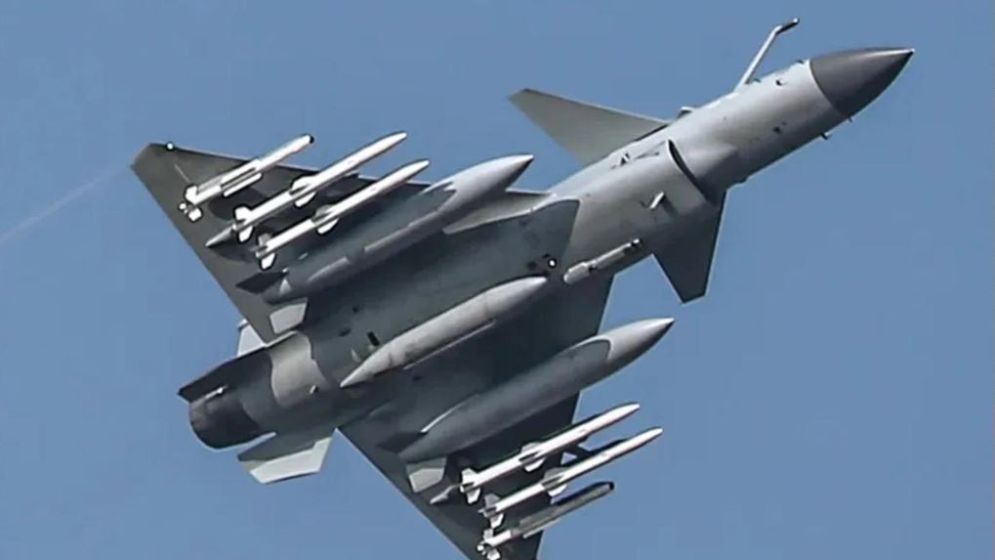
The package is expected to include not only the fighter jets themselves but also pilot and crew training, logistics support, long-term maintenance services, and advanced weapons systems.
India’s Security Concerns
Bangladesh’s military modernization has drawn attention within India’s defense community. In particular, renewed discussions have emerged regarding the security of the strategically important Siliguri Corridor, often referred to as the “Chicken’s Neck,” which connects India’s northeastern states to the rest of the country.
Indian military planners are concerned that the deployment of advanced Chinese fighter aircraft at air bases in northern Bangladesh could create new strategic pressures. As a result, New Delhi is closely monitoring developments in the regional security environment.
Why the J-10CE Is Attracting Attention
The J-10CE is widely regarded as a modern 4.5-generation fighter aircraft. It is equipped with an advanced Active Electronically Scanned Array (AESA) radar capable of detecting and tracking multiple targets simultaneously.
The aircraft can also carry long-range PL-15 air-to-air missiles. Combined with advanced data-link capabilities and airborne early-warning systems, it is considered capable of conducting network-centric warfare operations.

International interest in the platform increased after discussions surrounding the performance of the J-10C variant during the brief India-Pakistan aerial confrontation known as “Operation Sindoor” in 2025.
A New Phase in China-Bangladesh Defense Relations
Bangladesh has long sourced a significant portion of its military equipment from China. Following the acquisition of submarines, tanks, missile systems, and warships, the addition of advanced fighter aircraft would further deepen defense cooperation between the two countries.
The deal also comes at a time when Dhaka and New Delhi are engaged in discussions on a range of issues, including transit arrangements, trade, Teesta River water sharing, and border management. However, Bangladesh views the purchase as a sovereign decision aimed at strengthening its own defense capabilities.
A New Chapter in South Asian Security
Analysts believe that the acquisition of 20 J-10CE fighter jets will significantly enhance Bangladesh’s air defense capabilities. The move could also influence the broader geopolitical and security landscape of the Bay of Bengal region and South Asia as a whole.
Although Bangladesh and India remain closely interconnected through trade and border security cooperation, evolving regional security dynamics may require both countries to reassess aspects of their strategic planning.