11:40 pm, Thursday, 26 March 2026

The Leader a Nation Accepted Before It Was Born


Swadesh Roy

There are many glorious histories of political struggles across different countries. There are also glorious histories of wars of independence. Indeed, many great wars have taken place around the world. But not every war and not every struggle attains the dignity of an epic.

The first to note that Bangladesh’s struggle for liberation had created an epic was the post-Tagorean scholar-writer Syed Mujtaba Ali, in a piece he wrote in 1972, later included in his book Bangladesh.

Time and again, many unfortunate incidents have occurred regarding the history of Bangladesh’s liberation struggle. The truth of history has repeatedly been altered. Such manipulation of a history that unfolded before our very eyes, at some point, turns people away from history itself—whether consciously or subconsciously. This, too, has happened in Bangladesh.
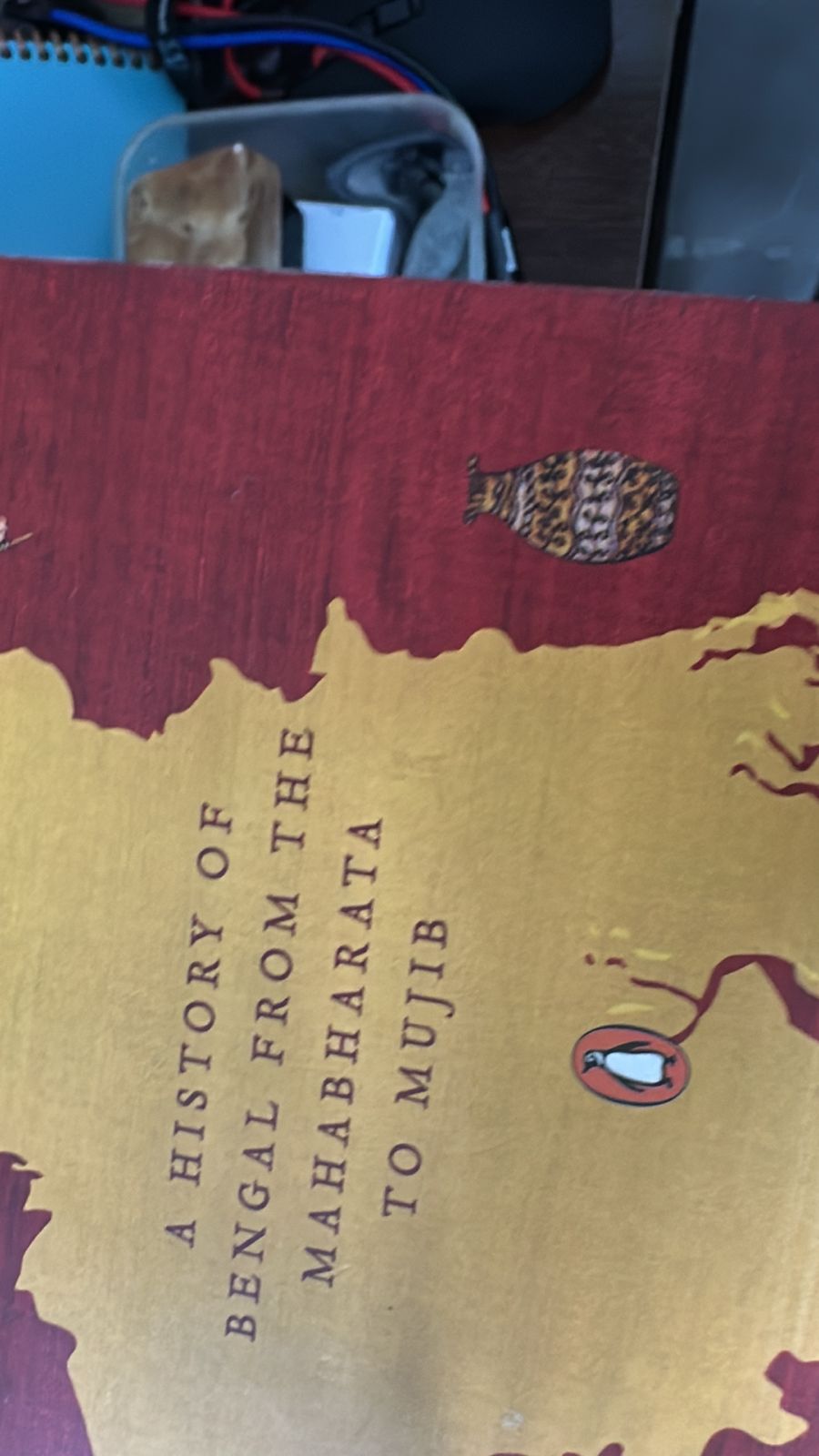
Yet, in 2011, I came across Nitish Sengupta’s Land of Two Rivers at Bahrisons Book Sellers in Khan Market, Delhi. Since the salesmen and managers there were familiar with me, one of them brought the book out from among the new arrivals and placed it in my hands. Leafing through it, I understood that there was nothing particularly new here about the history of Bengal, especially Bangladesh—most of it already known to anyone who reads history. And yet, I could not refrain from buying the book, because of the detailed title printed on its cover. Within the map of the Bengal delta on the cover were the words: “A History of Bengal from the Mahabharat to Mujib.”

It stirred a different feeling within me. Standing where I was, not far from this geography, lay the setting of one of the world’s greatest epics—the Mahabharat. And here, the author of Land of Two RiversNitish Sengupta, had written on his cover: “Mahabharat to Mujib.” He could have written “Arjuna to Mujib,” invoking the greatest heroic figure of the Mahabharat. Or he could have written “Mahabharat to the Liberation War of Bangladesh.” But he chose to write “Mahabharat to Mujib.”

In fact, the distinctive character of Bangladesh’s Liberation War and the uniqueness of its victory are articulated by the author on pages 550 and 551 of the book.
Quoting Nitish Sengupta:

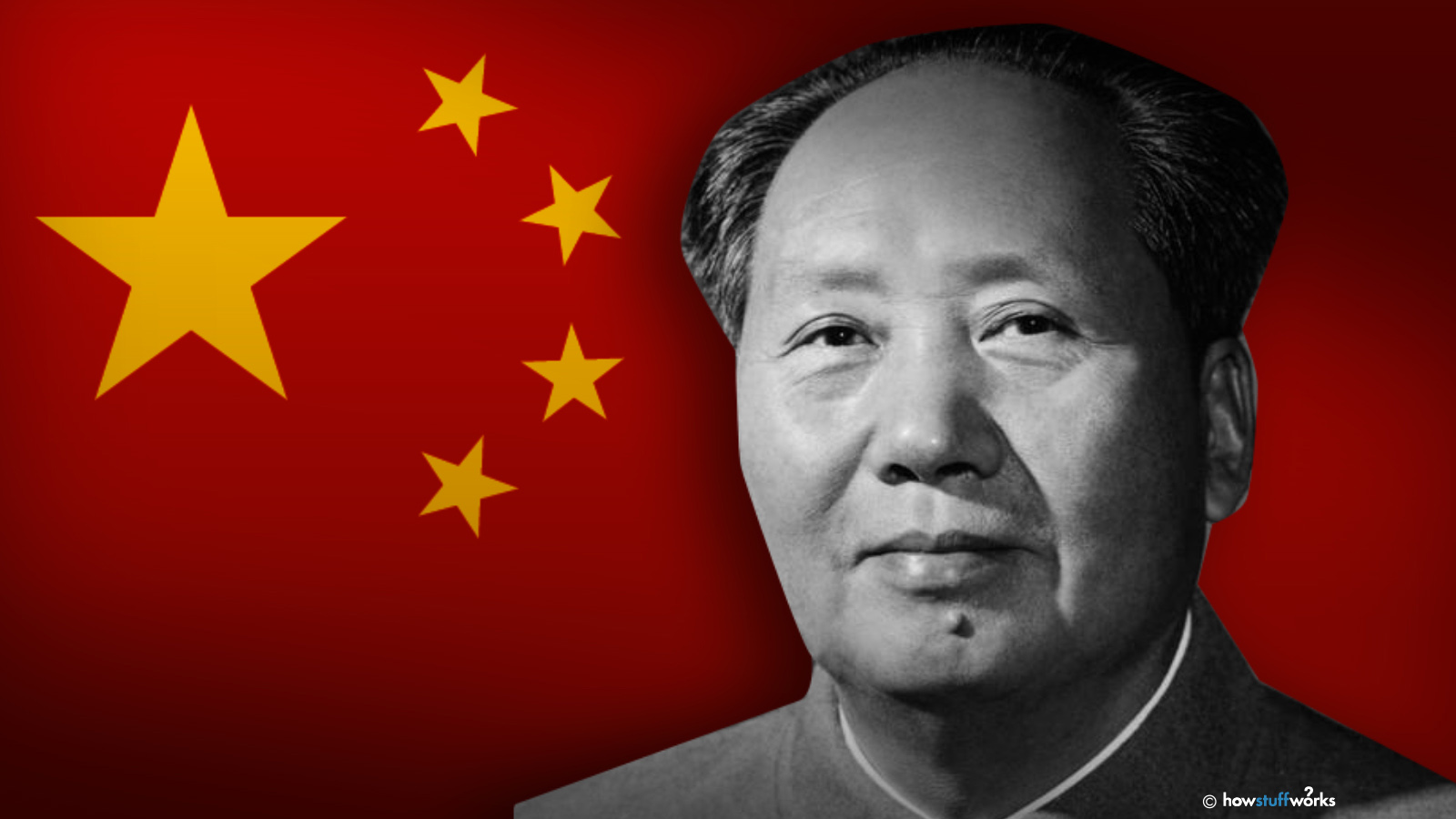
“Between 1 and 15 March 1971 Mujib played an unchallenged role in East Pakistan, controlling the entire machinery of administration. There is no other example in history where such a shift of loyalty emerged even before recognition of national independence. The total mandate that the people of East Pakistan gave Mujib in March 1971 had not been given to Gandhi, Nehru, Mao Zedong, Ho Chi Minh, Nkrumah or Julius Nyerere, or even Nelson Mandela, all of whom obtained electoral legitimacy only after independence. It was only in East Pakistan that government servants repudiated the authority of the Pakistan government and supported a rebel authority because they felt that their leader had already acquired such a legitimate authority, through a process of election, to speak for all the people of ‘Bangladesh’. Pakistan’s administration virtually collapsed and all officials of the East Pakistan government started taking orders from Sheikh Mujib.”

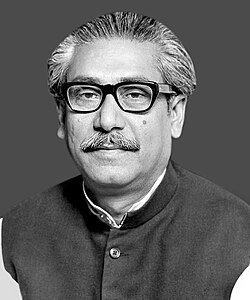
The author then goes on to mention how, during that time, people from various professions, as well as individuals from the state apparatus, would meet Bangabandhu Sheikh Mujibur Rahman every day at his residence on Road No. 32, consult with him, and follow his directives.

Alongside this, the author also notes that during that period, law and order in the country remained at its best. Even non-Bengalis were safe. At the same time, recognizing the realities on the ground, many foreign states began discussions with Mujib and his associates. Above all, by then, global media, through their reports and writings, had already begun identifying Bangladesh as a new state.

Subsequently, on pages 553, 554, and 555 of the book, the author records established historical facts for the purposes of his narrative and history: that at 00:30 on 26 March, Bangabandhu declared independence through a wireless message. That declaration was also broadcast on the same day through a clandestine radio station. From there, it was repeatedly announced that Sheikh Mujib had declared independence. On 27 March, Major Ziaur Rahman of the East Bengal Regiment, who had revolted, broadcast the declaration of independence once again from a radio station in Chattogram, stating that he was doing so on behalf of Bangabandhu Sheikh Mujibur Rahman.

He then notes the information regarding Bangabandhu’s arrest and Yahya Khan’s decision to ban the Awami League.
These historical facts of Bangladesh continue to revolve endlessly within pettiness.

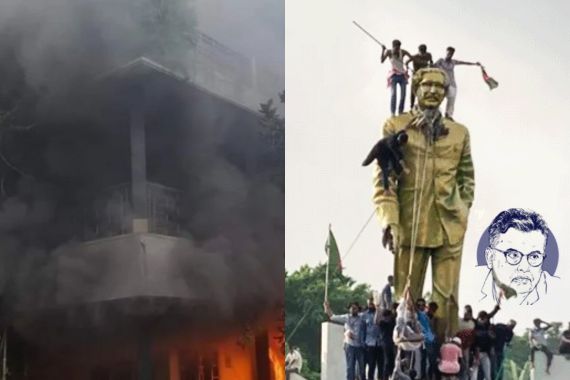
It is this pettiness that has rendered the epic of “Mujib” proscribed today; there is a boundless effort everywhere to erase all his achievements. Even the house on Road No. 32, which the author mentions—where Bangabandhu Sheikh Mujibur Rahman bore witness to a history unparalleled in the world—has been demolished by Yunus and his successors. Even as in 1971 on 26 March, so too in March 2026, one witnesses the activities of the Awami League being banned.

Thus, in the words of Rabindranath:

“Fate is like a muddy pool of water,
It cannot hold within it a history of great magnitude.”

Author: Recipient of the highest state honor; journalist; editor, SarakhonThe Present World.

07:12:20 pm, Thursday, 26 March 2026

The Leader a Nation Accepted Before It Was Born

07:12:20 pm, Thursday, 26 March 2026

There are many glorious histories of political struggles across different countries. There are also glorious histories of wars of independence. Indeed, many great wars have taken place around the world. But not every war and not every struggle attains the dignity of an epic.

The first to note that Bangladesh’s struggle for liberation had created an epic was the post-Tagorean scholar-writer Syed Mujtaba Ali, in a piece he wrote in 1972, later included in his book Bangladesh.

Time and again, many unfortunate incidents have occurred regarding the history of Bangladesh’s liberation struggle. The truth of history has repeatedly been altered. Such manipulation of a history that unfolded before our very eyes, at some point, turns people away from history itself—whether consciously or subconsciously. This, too, has happened in Bangladesh.

Yet, in 2011, I came across Nitish Sengupta’s Land of Two Rivers at Bahrisons Book Sellers in Khan Market, Delhi. Since the salesmen and managers there were familiar with me, one of them brought the book out from among the new arrivals and placed it in my hands. Leafing through it, I understood that there was nothing particularly new here about the history of Bengal, especially Bangladesh—most of it already known to anyone who reads history. And yet, I could not refrain from buying the book, because of the detailed title printed on its cover. Within the map of the Bengal delta on the cover were the words: “A History of Bengal from the Mahabharat to Mujib.”

It stirred a different feeling within me. Standing where I was, not far from this geography, lay the setting of one of the world’s greatest epics—the Mahabharat. And here, the author of Land of Two RiversNitish Sengupta, had written on his cover: “Mahabharat to Mujib.” He could have written “Arjuna to Mujib,” invoking the greatest heroic figure of the Mahabharat. Or he could have written “Mahabharat to the Liberation War of Bangladesh.” But he chose to write “Mahabharat to Mujib.”

In fact, the distinctive character of Bangladesh’s Liberation War and the uniqueness of its victory are articulated by the author on pages 550 and 551 of the book.

Quoting Nitish Sengupta:

“Between 1 and 15 March 1971 Mujib played an unchallenged role in East Pakistan, controlling the entire machinery of administration. There is no other example in history where such a shift of loyalty emerged even before recognition of national independence. The total mandate that the people of East Pakistan gave Mujib in March 1971 had not been given to Gandhi, Nehru, Mao Zedong, Ho Chi Minh, Nkrumah or Julius Nyerere, or even Nelson Mandela, all of whom obtained electoral legitimacy only after independence. It was only in East Pakistan that government servants repudiated the authority of the Pakistan government and supported a rebel authority because they felt that their leader had already acquired such a legitimate authority, through a process of election, to speak for all the people of ‘Bangladesh’. Pakistan’s administration virtually collapsed and all officials of the East Pakistan government started taking orders from Sheikh Mujib.”

The author then goes on to mention how, during that time, people from various professions, as well as individuals from the state apparatus, would meet Bangabandhu Sheikh Mujibur Rahman every day at his residence on Road No. 32, consult with him, and follow his directives.

Alongside this, the author also notes that during that period, law and order in the country remained at its best. Even non-Bengalis were safe. At the same time, recognizing the realities on the ground, many foreign states began discussions with Mujib and his associates. Above all, by then, global media, through their reports and writings, had already begun identifying Bangladesh as a new state.

Subsequently, on pages 553, 554, and 555 of the book, the author records established historical facts for the purposes of his narrative and history: that at 00:30 on 26 March, Bangabandhu declared independence through a wireless message. That declaration was also broadcast on the same day through a clandestine radio station. From there, it was repeatedly announced that Sheikh Mujib had declared independence. On 27 March, Major Ziaur Rahman of the East Bengal Regiment, who had revolted, broadcast the declaration of independence once again from a radio station in Chattogram, stating that he was doing so on behalf of Bangabandhu Sheikh Mujibur Rahman.

He then notes the information regarding Bangabandhu’s arrest and Yahya Khan’s decision to ban the Awami League.

These historical facts of Bangladesh continue to revolve endlessly within pettiness.

It is this pettiness that has rendered the epic of “Mujib” proscribed today; there is a boundless effort everywhere to erase all his achievements. Even the house on Road No. 32, which the author mentions—where Bangabandhu Sheikh Mujibur Rahman bore witness to a history unparalleled in the world—has been demolished by Yunus and his successors. Even as in 1971 on 26 March, so too in March 2026, one witnesses the activities of the Awami League being banned.

Thus, in the words of Rabindranath:

“Fate is like a muddy pool of water,
It cannot hold within it a history of great magnitude.”

Author: Recipient of the highest state honor; journalist; editor, SarakhonThe Present World.