

9:10 pm, Friday, 27 March 2026

Iran Rejects U.S. Peace Offer, Counters With Its Own Plan as Hormuz Standoff Deepens

Sarakhon Report

Diplomatic deadlock intensifies

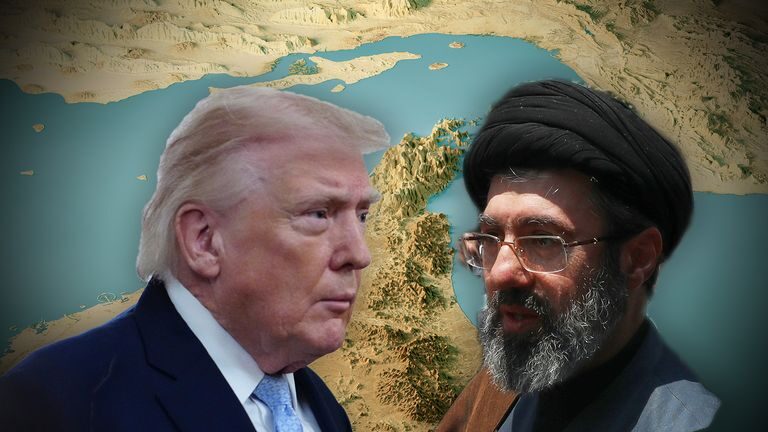
Iran has formally rejected a United States proposal aimed at ending the war and responded with its own peace framework, according to reports from late March 2026. A senior Iranian official confirmed that Tehran reviewed the American offer but found it unacceptable. Iranian Foreign Minister Abbas Araghchi stated publicly that Iran intends to end the conflict on its own terms and has no plans to enter direct negotiations with Washington under current conditions. The foreign minister added that Iran will continue its present military policy despite mounting international pressure to stand down.

The rejection came as President Donald Trump announced he would postpone any strikes on Iranian power plants and energy infrastructure until April 6, giving Tehran additional time to agree to allow commercial shipping to transit the Strait of Hormuz safely. Trump simultaneously signaled that the United States was considering winding down military operations, saying American forces were getting close to meeting their stated objectives. A second Marine Expeditionary Unit of roughly 2,200 troops was nonetheless dispatched to the region, underscoring that Washington has not yet fully committed to de-escalation.

Regional actors stake out positions

British Prime Minister Keir Starmer approved the use of British military bases by the United States to conduct strikes against Iranian targets near the Strait, deepening London’s involvement in the conflict. Belgium said it would consider participating in an operation to secure the waterway, but only if a ceasefire was already in place and the mission operated within a clear international legal framework. Egypt’s Foreign Minister Badr Abdelatty offered Cairo as a potential venue for peace talks. Iranian Foreign Minister Araghchi separately indicated that Tehran was prepared to facilitate passage for vessels from Japan through the Strait, suggesting that selective diplomatic openings remain on the table even as fighting continues.

Jordan’s air force intercepted four Iranian missiles and one drone over its territory. A drone strike caused a fire at a fuel storage facility at Kuwait International Airport. Iran also launched strikes targeting aerial refueling aircraft positioned at Ben Gurion Airport in Tel Aviv, marking a significant escalation in the scope of Iranian targeting. The Islamic Resistance in Iraq claimed responsibility for attacking 27 American military installations across Iraq and the wider region within a single 24-hour period, killing one Iraqi police officer in Baghdad.


05:07:19 pm, Friday, 27 March 2026

Iran Rejects U.S. Peace Offer, Counters With Its Own Plan as Hormuz Standoff Deepens

05:07:19 pm, Friday, 27 March 2026

Diplomatic deadlock intensifies

Iran has formally rejected a United States proposal aimed at ending the war and responded with its own peace framework, according to reports from late March 2026. A senior Iranian official confirmed that Tehran reviewed the American offer but found it unacceptable. Iranian Foreign Minister Abbas Araghchi stated publicly that Iran intends to end the conflict on its own terms and has no plans to enter direct negotiations with Washington under current conditions. The foreign minister added that Iran will continue its present military policy despite mounting international pressure to stand down.

The rejection came as President Donald Trump announced he would postpone any strikes on Iranian power plants and energy infrastructure until April 6, giving Tehran additional time to agree to allow commercial shipping to transit the Strait of Hormuz safely. Trump simultaneously signaled that the United States was considering winding down military operations, saying American forces were getting close to meeting their stated objectives. A second Marine Expeditionary Unit of roughly 2,200 troops was nonetheless dispatched to the region, underscoring that Washington has not yet fully committed to de-escalation.

Regional actors stake out positions

British Prime Minister Keir Starmer approved the use of British military bases by the United States to conduct strikes against Iranian targets near the Strait, deepening London’s involvement in the conflict. Belgium said it would consider participating in an operation to secure the waterway, but only if a ceasefire was already in place and the mission operated within a clear international legal framework. Egypt’s Foreign Minister Badr Abdelatty offered Cairo as a potential venue for peace talks. Iranian Foreign Minister Araghchi separately indicated that Tehran was prepared to facilitate passage for vessels from Japan through the Strait, suggesting that selective diplomatic openings remain on the table even as fighting continues.

Jordan’s air force intercepted four Iranian missiles and one drone over its territory. A drone strike caused a fire at a fuel storage facility at Kuwait International Airport. Iran also launched strikes targeting aerial refueling aircraft positioned at Ben Gurion Airport in Tel Aviv, marking a significant escalation in the scope of Iranian targeting. The Islamic Resistance in Iraq claimed responsibility for attacking 27 American military installations across Iraq and the wider region within a single 24-hour period, killing one Iraqi police officer in Baghdad.