

Apple Plans to Open Siri to Rival AI Services in iOS 27 Overhaul

A new direction for Siri
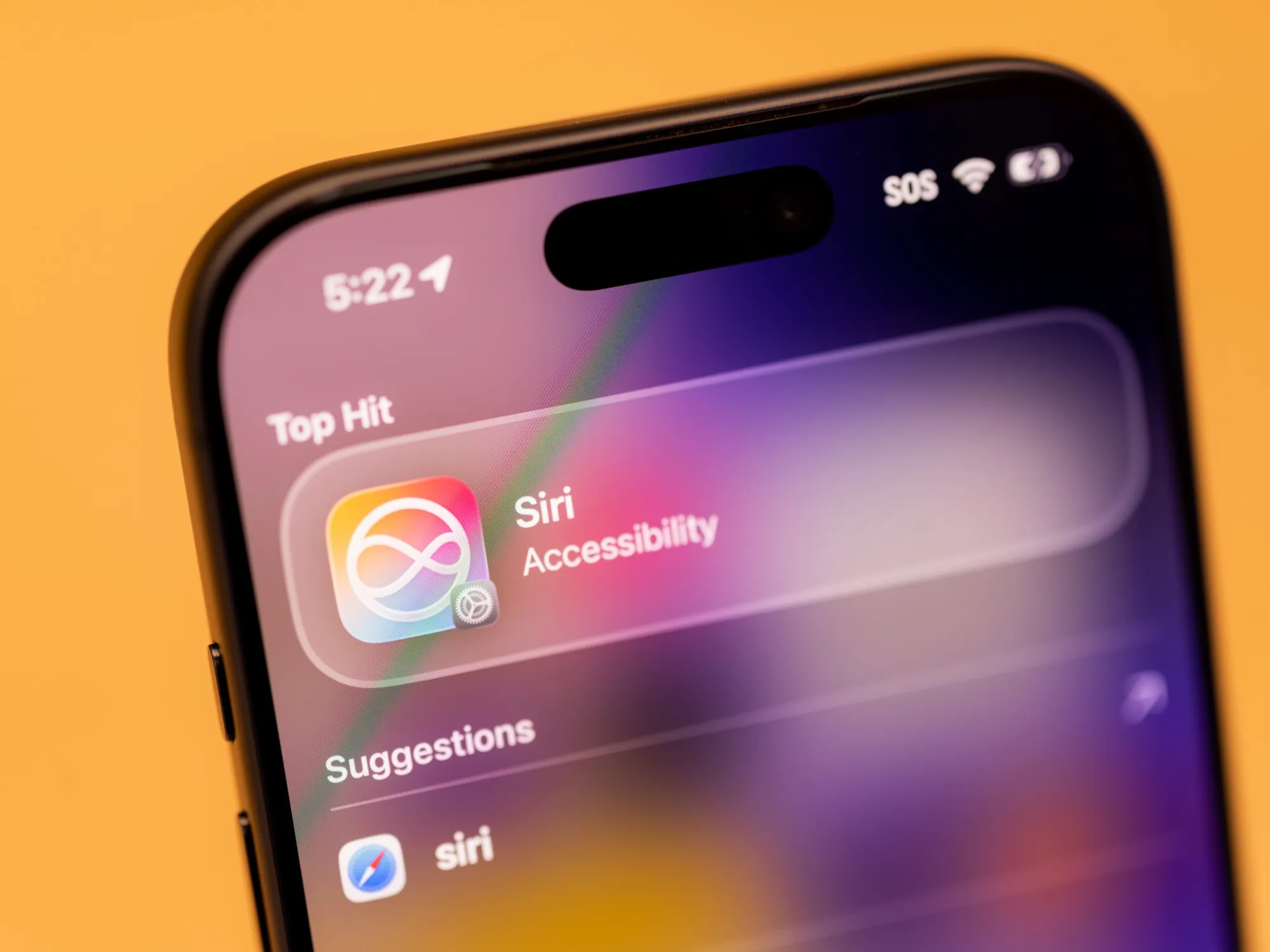
Apple is planning a significant expansion of its Siri voice assistant in iOS 27, a move that would allow rival artificial intelligence chatbots and services to integrate directly with the platform. According to a report by Bloomberg cited across multiple technology outlets on March 27, 2026, the company intends to introduce an “extensions” framework that would enable services such as Google Gemini and Anthropic’s Claude to plug into Siri and handle user requests. This marks a dramatic pivot for Apple, which has historically kept its assistant ecosystem tightly controlled. The shift suggests that after years of criticism for falling behind competitors in generative AI capabilities, Apple is now prioritising platform openness as a strategy to catch up.
The extensions system would allow users to route queries to their preferred AI tool through a single interface. Rather than requiring people to switch between separate apps, the framework would let Siri act as a gateway, delegating tasks to whichever AI service is best suited. The move places Apple in a similar position to what it did with browsers when it opened Safari to alternative engines, acknowledging that its own offering cannot serve every user need. Developers and AI companies with existing large user bases stand to benefit significantly, as an integration with Siri would grant access to hundreds of millions of iPhone users worldwide.
Netflix pricing rises as streaming costs climb
Separately, Netflix announced a price increase across all of its United States subscription plans this week, becoming the latest major streaming service to raise rates in 2026. The premium tier will now cost 27 dollars per month, reflecting an increase of roughly 12.5 percent. The move follows earlier hikes from competing services and arrives as Netflix continues to invest heavily in content production, including an expanded slate of Korean dramas, live sports, and major entertainment events. The company had recently concluded an exclusive live stream of the BTS reunion concert, drawing a global audience, and released a companion documentary about the group’s return on March 27.
Industry analysts noted that the Netflix price increase continues a pattern of what some are calling “streamflation,” where the cumulative cost of maintaining multiple streaming subscriptions has grown well beyond early expectations. Some consumer advocates argue that the model has drifted far from the affordable convenience that originally drew audiences away from cable television. Netflix, for its part, has defended the increases by pointing to continued investment in original programming, live events, and international content as justification for higher subscription costs.