Main Causes of Price Hikes: Supply, Market, and Political Stability

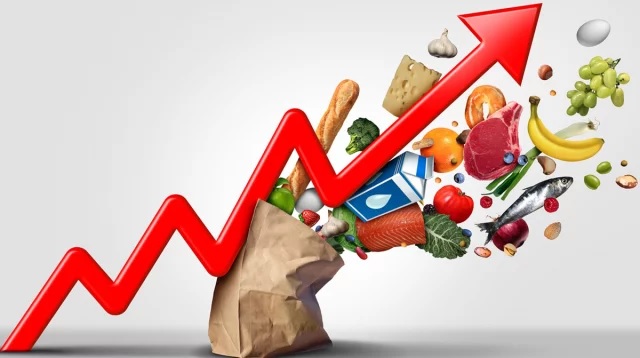
Inflation in Bangladesh is not merely a matter of central bank policy or monetary measures. The core reasons lie in supply chain complexities, market monopolies, administrative weaknesses, and a lack of political stability. Rising prices of food, oil, and other essential goods are directly affecting the purchasing power of ordinary people.
Supply Chain Failures and Rent-Seeking
Why aren’t prices falling even when there is enough supply in Bangladesh? The issue primarily stems from supply chain inefficiencies and control by intermediaries. Disconnections from production to retail, storage issues, and monopoly-like syndicate strategies push prices higher.
Additionally, corruption, exploitation, and extortion by political parties put extra pressure on the market, undermining the purchasing power of poor and lower-middle-class families.
Limitations of the Central Bank
Monetary policy or interest rate hikes mainly control demand in the economy. However, unless supply chain and market structure problems are addressed, these measures play a limited role in reducing prices. Increased transportation and distribution costs can even further drive up prices.
Food Price Inflation: The Primary Driver
Food price increases are the main driver of overall inflation. Specifically, rising prices of rice, onions, oil, and other essential food items are impacting the buying capacity of lower- and middle-income households.
The Importance of Political Leadership and Stability
Experienced political leadership, political stability, and controlling extortion and corruption are crucial to managing inflation. Without clear policies and effective administrative coordination, no fiscal or monetary measure can succeed.