4:05 pm, Saturday, 4 April 2026

Rising Fuel Costs Increase Pressure on Bangladesh’s Garment Sector

Sarakhon Report

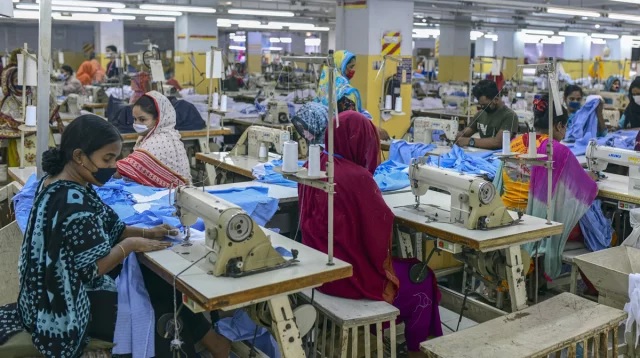
Bangladesh’s garment and textile industry is facing a major crisis due to rising fuel and raw material costs. Prices of key inputs such as cotton, yarn, and synthetic fibers are increasing, pushing up production costs and squeezing export profit margins.

Middle East Conflicts and Supply Disruptions
Ongoing conflicts in the Middle East are affecting international supply chains. The cost of cotton, yarn, and other raw materials is rising, while shipping delays and higher freight charges further disrupt production.

The price of open-end yarn used in denim products has reached $2.50 per pound, up from $1.80 previously.

ঘোষণা ছাড়াই ২০ হাজার ডলার দেশে আনার সুযোগ

Pressure from Shipping and Fuel Costs
Additional surcharges on freight are raising the cost of each container shipment by several hundred to over a thousand dollars. Container flow at Chittagong port is also disrupted, extending production and delivery timelines.

Shrinking Export Margins
The prices of cotton and synthetic fibers continue to climb. Fluctuations in polyester staple fiber and other synthetic materials increase production uncertainty. Fuel-based components account for nearly 40–50% of blended fabrics, and rising prices may push production costs up by 19–20 cents per garment.

Diesel Shortages and Production Disruptions
Diesel scarcity is making it difficult to run backup generators in mills. Load shedding and production interruptions are weakening Bangladesh’s competitive position in negotiations with international buyers.

অন্য দেশ থেকে পণ্য কিনে তৃতীয় দেশে রপ্তানির সুযোগ

Export Pressure and Statistics
Total export earnings in March 2026 fell by nearly 18%, with garment exports dropping about 20%. Large-scale production sectors contracted by roughly 6.34%.

Government Support and Appeals
Industry leaders have urged the government and policymakers to stabilize fuel supply and resolve shipping issues, so production is not disrupted and the competitiveness of the export sector is maintained.

Analysts at Sarakhon Report believe that the rising costs of fuel and raw materials pose a major challenge to Bangladesh’s garment sector, which, if not addressed, could have long-term consequences for the national economy.


12:44:40 pm, Saturday, 4 April 2026

Rising Fuel Costs Increase Pressure on Bangladesh’s Garment Sector

12:44:40 pm, Saturday, 4 April 2026

Bangladesh’s garment and textile industry is facing a major crisis due to rising fuel and raw material costs. Prices of key inputs such as cotton, yarn, and synthetic fibers are increasing, pushing up production costs and squeezing export profit margins.

Middle East Conflicts and Supply Disruptions
Ongoing conflicts in the Middle East are affecting international supply chains. The cost of cotton, yarn, and other raw materials is rising, while shipping delays and higher freight charges further disrupt production.

The price of open-end yarn used in denim products has reached $2.50 per pound, up from $1.80 previously.

ঘোষণা ছাড়াই ২০ হাজার ডলার দেশে আনার সুযোগ

Pressure from Shipping and Fuel Costs
Additional surcharges on freight are raising the cost of each container shipment by several hundred to over a thousand dollars. Container flow at Chittagong port is also disrupted, extending production and delivery timelines.

Shrinking Export Margins
The prices of cotton and synthetic fibers continue to climb. Fluctuations in polyester staple fiber and other synthetic materials increase production uncertainty. Fuel-based components account for nearly 40–50% of blended fabrics, and rising prices may push production costs up by 19–20 cents per garment.

Diesel Shortages and Production Disruptions
Diesel scarcity is making it difficult to run backup generators in mills. Load shedding and production interruptions are weakening Bangladesh’s competitive position in negotiations with international buyers.

অন্য দেশ থেকে পণ্য কিনে তৃতীয় দেশে রপ্তানির সুযোগ

Export Pressure and Statistics
Total export earnings in March 2026 fell by nearly 18%, with garment exports dropping about 20%. Large-scale production sectors contracted by roughly 6.34%.

Government Support and Appeals
Industry leaders have urged the government and policymakers to stabilize fuel supply and resolve shipping issues, so production is not disrupted and the competitiveness of the export sector is maintained.

Analysts at Sarakhon Report believe that the rising costs of fuel and raw materials pose a major challenge to Bangladesh’s garment sector, which, if not addressed, could have long-term consequences for the national economy.