6:17 pm, Thursday, 11 June 2026

Trivedi flies towards a reset in Indo-Bangladesh relations

Jayanta Roy Chowdhury

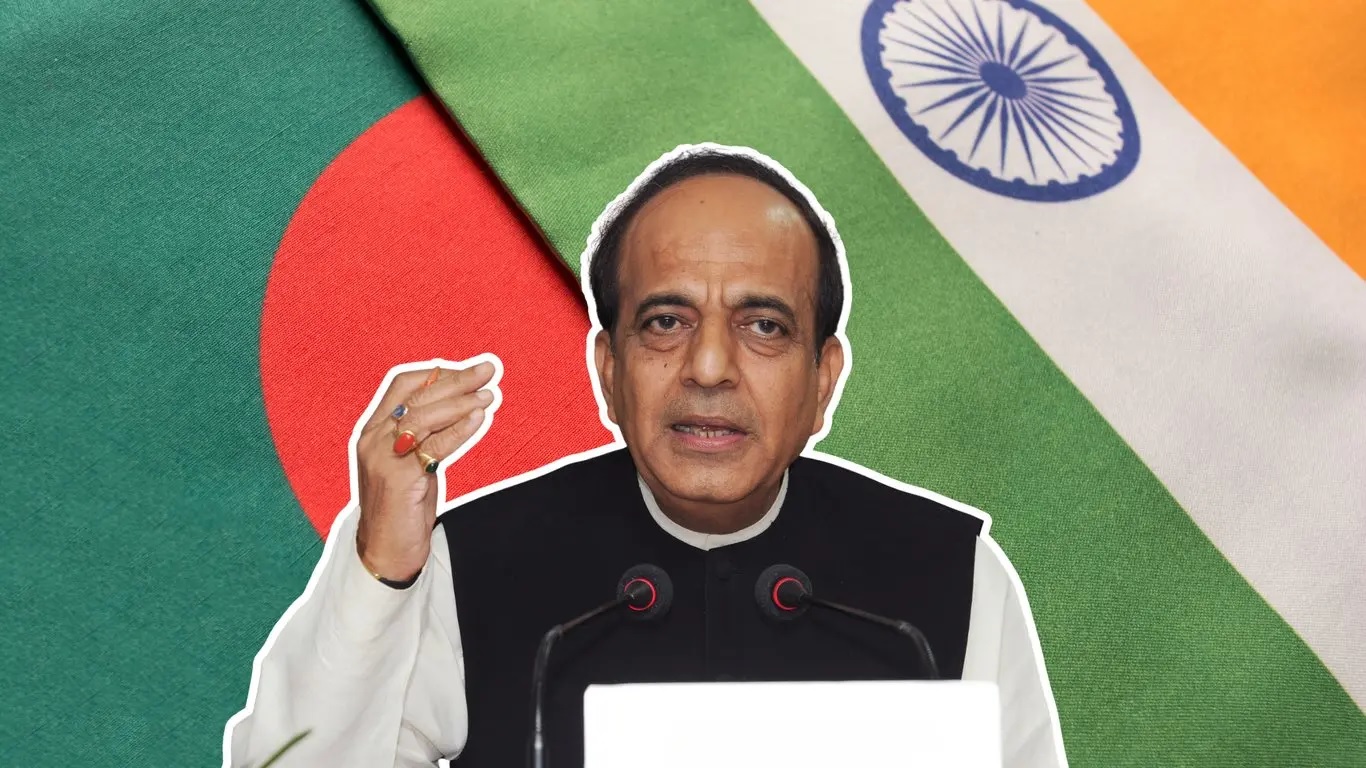
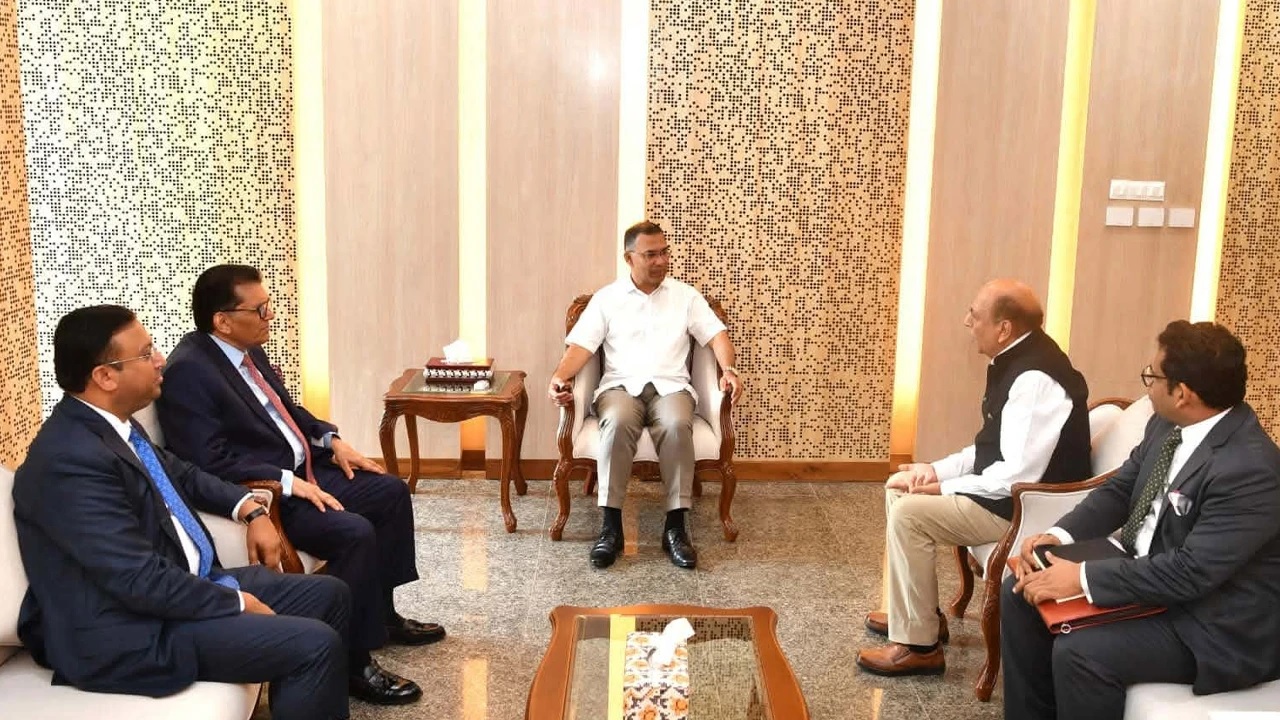
Kolkata, June 11 (UNI) India’s new High Commissioner to Bangladesh will be flying down to Bangladesh from Kolkata on Friday at a delicate moment in the relationship between New Delhi and Dhaka, with both sides seeking to reset ties amid political change, emerging strategic frictions and a series of consequential negotiations that will shape bilateral relations for years to come. Speaking to UNI before his departure for Dhaka, Trivedi struck a conciliatory note, describing India and Bangladesh as partners responsible for “fulfilling the aspirations of nearly 160 crore people.” Calling Bangladesh India’s “most special relationship”, he signalled New Delhi’s desire to preserve the broad foundations of a partnership that has weathered political transitions and periodic tensions. Ahead of the short flight, Trivedi paid his tribute at Netaji Bhavan, home to Subhas Chandra Bose, the hero of the sub-continent’s fight against British rule and a figure revered across borders. “Its appropriate that I seek the blessings of Netaji Subhas Bose, a true patriot for the sub-continent, before I take up my new assignment,” said Trivedi, the second political appointee to the position in more than fifty years. Trivedi, who has been railway minister in India’s central government, will arrive in Dhaka as negotiations over two of the most important pillars of the bilateral relations, water sharing and trade, commences afresh.

India-Bangladesh Ties: Newly Appointed High Commissioner Dinesh Trivedi to Take Charge | Tehelka

The 1996 Ganges Water Sharing Treaty is due for renewal, but analysts suggest that a comprehensive renegotiation may prove difficult under current political circumstances, making a temporary extension the more likely short term outcome. Former Secretary in India’s Ministry of External Affairs Pinak R Chakravarty and other strategic observers have argued that water cannot be viewed in isolation from the wider relationship. Indian policymakers increasingly see the treaty as requiring reassessment in light of changing hydrological realities. Reduced glacial melt in the Himalayas has affected river flows, while population growth and agricultural demand have dramatically increased water requirements on both sides of the border. he water negotiations are also intertwined with broader economic discussions. Bangladesh’s economy, which has now crossed US$510 billion, is moving steadily towards middle income status. As Dhaka graduates from the category of least developed countries, several trade concessions and preferential arrangements that India had extended unilaterally over the years will inevitably require revision. Officials in both countries are therefore exploring the contours of a new trade framework designed for a more economically balanced relationship. Against this backdrop, both sides will need to manage political irritants.

জামায়াত-এনসিপি আলোচনার মাঝে আট দলে টানাপোড়েন

Anti Indian rhetoric from sections of the Jamaat-e-Islami and the National Citizen Party has generated concern in New Delhi as has political commentary from this side of the border. Nevertheless, Indian officials recognise that episodic political statements cannot be allowed to derail a relationship built upon geography, economics and deep people to people links. The challenge for Trivedi will be to help insulate state to state relations from partisan political turbulence. At the same time, India remains increasingly attentive to Bangladesh’s expanding engagement with China and Pakistan. The strategic concerns are most visible in discussions surrounding river management. Even as negotiations over the Ganges continue, Bangladesh has formally sought Chinese participation in the Teesta River Comprehensive Management and Restoration Project. The proposal has raised eyebrows in New Delhi because of the project’s proximity to India’s Siliguri Corridor, the narrow land bridge connecting mainland India to its northeastern states.
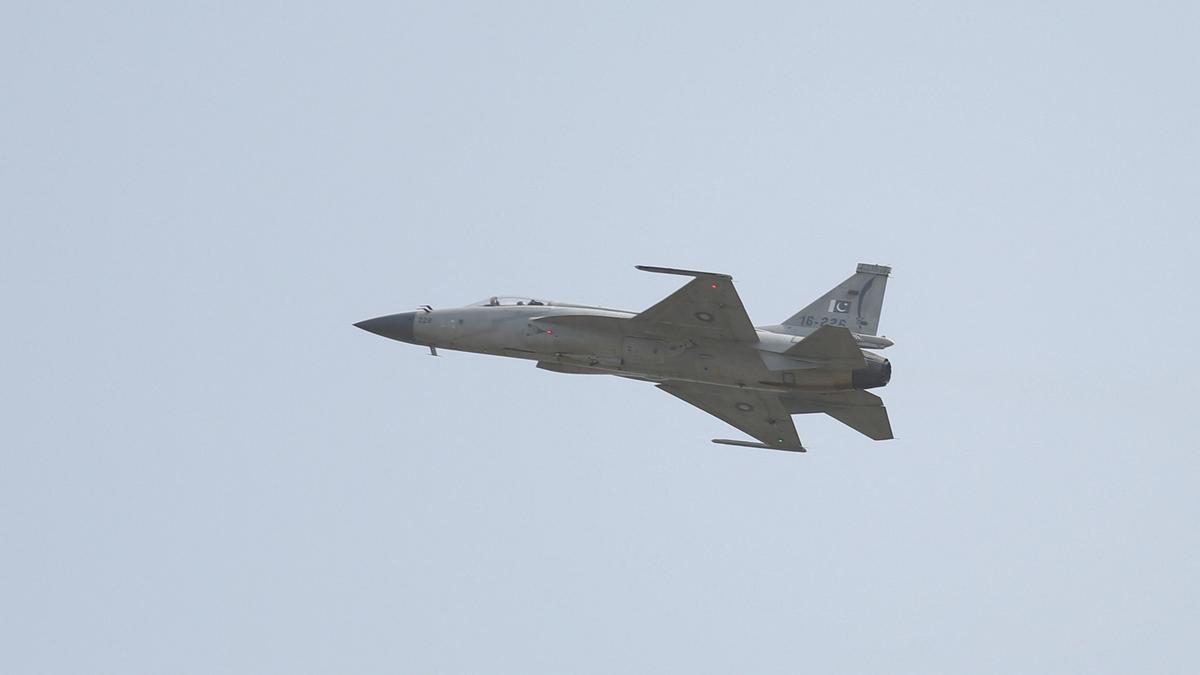
Bangladesh expresses 'potential interest' in procuring JF-17 fighter jets, says Pakistan - The Hindu

Security concerns extend beyond China’s role. Recent military contacts between Bangladesh and Pakistan, including discussions over pilot training and reported Bangladeshi interest in Pakistan’s Chinese designed JF-17 Thunder fighter aircraft, have drawn close scrutiny in India. Intelligence officials also remain watchful of reports suggesting an expanded presence of Pakistan’s Inter-Services Intelligence in Bangladesh. These concerns are shaped by historical experience. Indian security agencies have long linked Pakistan’s intelligence apparatus to support networks that once aided insurgent groups operating in India’s northeast. Past investigations into terrorist attacks, including the 2002 attack on the American Center in Kolkata, pointed to connections involving Pakistan based and Bangladesh based extremist organisations. Yet despite these concerns, neither side can afford a prolonged deterioration in ties. Bangladesh remains one of India’s largest trading partners in South Asia and a crucial gateway to the Bay of Bengal. India, meanwhile, remains central to Bangladesh’s connectivity ambitions, energy security and access to regional markets. For Trivedi, the task in Dhaka will therefore not be to eliminate disagreements but to ensure that they are managed within a broader framework of cooperation. The success of this high level reach-out may ultimately depend on whether India and Bangladesh can move beyond periodic political frictions and build a new compact suited to the realities of a changing region, balancing strategic caution with the recognition that the future prosperity of 160 crore people remains deeply interconnected. UNI JRC
03:29:36 pm, Thursday, 11 June 2026

Trivedi flies towards a reset in Indo-Bangladesh relations

03:29:36 pm, Thursday, 11 June 2026

Kolkata, June 11 (UNI) India’s new High Commissioner to Bangladesh will be flying down to Bangladesh from Kolkata on Friday at a delicate moment in the relationship between New Delhi and Dhaka, with both sides seeking to reset ties amid political change, emerging strategic frictions and a series of consequential negotiations that will shape bilateral relations for years to come. Speaking to UNI before his departure for Dhaka, Trivedi struck a conciliatory note, describing India and Bangladesh as partners responsible for “fulfilling the aspirations of nearly 160 crore people.” Calling Bangladesh India’s “most special relationship”, he signalled New Delhi’s desire to preserve the broad foundations of a partnership that has weathered political transitions and periodic tensions. Ahead of the short flight, Trivedi paid his tribute at Netaji Bhavan, home to Subhas Chandra Bose, the hero of the sub-continent’s fight against British rule and a figure revered across borders. “Its appropriate that I seek the blessings of Netaji Subhas Bose, a true patriot for the sub-continent, before I take up my new assignment,” said Trivedi, the second political appointee to the position in more than fifty years. Trivedi, who has been railway minister in India’s central government, will arrive in Dhaka as negotiations over two of the most important pillars of the bilateral relations, water sharing and trade, commences afresh.

India-Bangladesh Ties: Newly Appointed High Commissioner Dinesh Trivedi to Take Charge | Tehelka

The 1996 Ganges Water Sharing Treaty is due for renewal, but analysts suggest that a comprehensive renegotiation may prove difficult under current political circumstances, making a temporary extension the more likely short term outcome. Former Secretary in India’s Ministry of External Affairs Pinak R Chakravarty and other strategic observers have argued that water cannot be viewed in isolation from the wider relationship. Indian policymakers increasingly see the treaty as requiring reassessment in light of changing hydrological realities. Reduced glacial melt in the Himalayas has affected river flows, while population growth and agricultural demand have dramatically increased water requirements on both sides of the border. he water negotiations are also intertwined with broader economic discussions. Bangladesh’s economy, which has now crossed US$510 billion, is moving steadily towards middle income status. As Dhaka graduates from the category of least developed countries, several trade concessions and preferential arrangements that India had extended unilaterally over the years will inevitably require revision. Officials in both countries are therefore exploring the contours of a new trade framework designed for a more economically balanced relationship. Against this backdrop, both sides will need to manage political irritants.

জামায়াত-এনসিপি আলোচনার মাঝে আট দলে টানাপোড়েন

Anti Indian rhetoric from sections of the Jamaat-e-Islami and the National Citizen Party has generated concern in New Delhi as has political commentary from this side of the border. Nevertheless, Indian officials recognise that episodic political statements cannot be allowed to derail a relationship built upon geography, economics and deep people to people links. The challenge for Trivedi will be to help insulate state to state relations from partisan political turbulence. At the same time, India remains increasingly attentive to Bangladesh’s expanding engagement with China and Pakistan. The strategic concerns are most visible in discussions surrounding river management. Even as negotiations over the Ganges continue, Bangladesh has formally sought Chinese participation in the Teesta River Comprehensive Management and Restoration Project. The proposal has raised eyebrows in New Delhi because of the project’s proximity to India’s Siliguri Corridor, the narrow land bridge connecting mainland India to its northeastern states.

Bangladesh expresses 'potential interest' in procuring JF-17 fighter jets, says Pakistan - The Hindu

Security concerns extend beyond China’s role. Recent military contacts between Bangladesh and Pakistan, including discussions over pilot training and reported Bangladeshi interest in Pakistan’s Chinese designed JF-17 Thunder fighter aircraft, have drawn close scrutiny in India. Intelligence officials also remain watchful of reports suggesting an expanded presence of Pakistan’s Inter-Services Intelligence in Bangladesh. These concerns are shaped by historical experience. Indian security agencies have long linked Pakistan’s intelligence apparatus to support networks that once aided insurgent groups operating in India’s northeast. Past investigations into terrorist attacks, including the 2002 attack on the American Center in Kolkata, pointed to connections involving Pakistan based and Bangladesh based extremist organisations. Yet despite these concerns, neither side can afford a prolonged deterioration in ties. Bangladesh remains one of India’s largest trading partners in South Asia and a crucial gateway to the Bay of Bengal. India, meanwhile, remains central to Bangladesh’s connectivity ambitions, energy security and access to regional markets. For Trivedi, the task in Dhaka will therefore not be to eliminate disagreements but to ensure that they are managed within a broader framework of cooperation. The success of this high level reach-out may ultimately depend on whether India and Bangladesh can move beyond periodic political frictions and build a new compact suited to the realities of a changing region, balancing strategic caution with the recognition that the future prosperity of 160 crore people remains deeply interconnected. UNI JRC